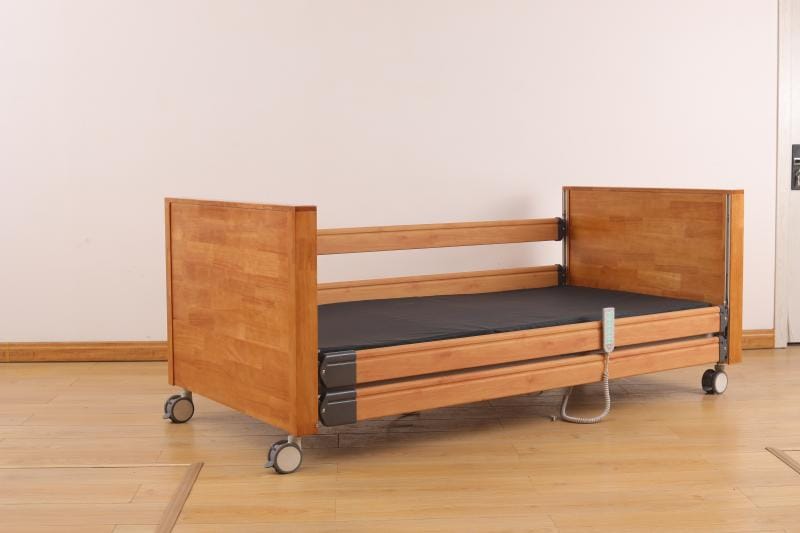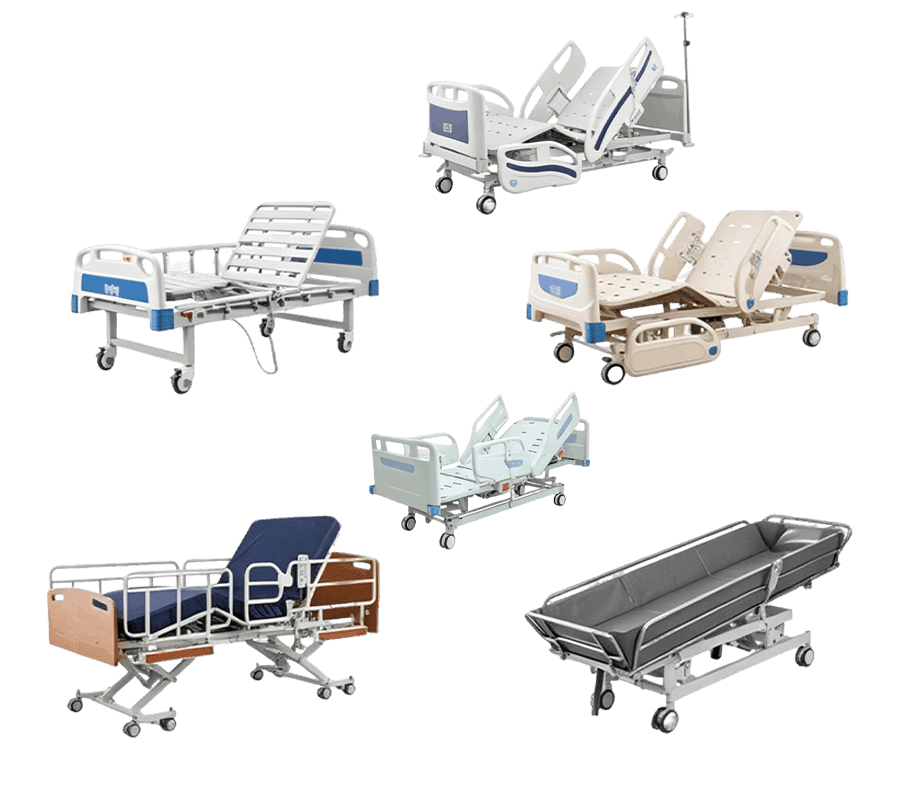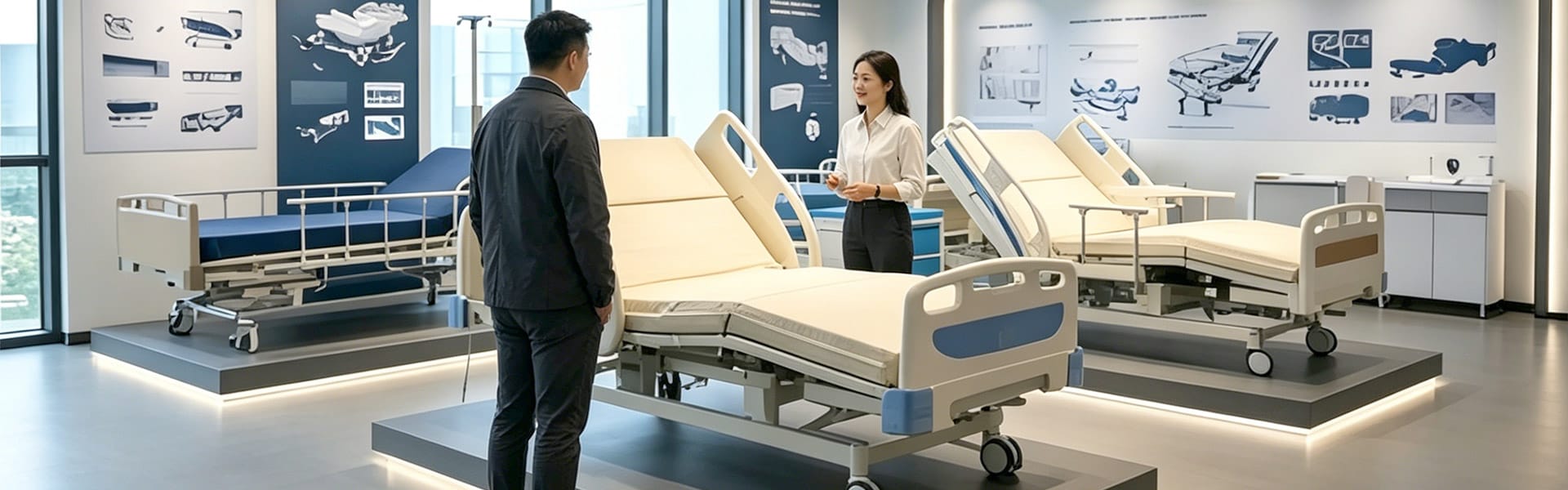
تؤثر قرارات تخطيط غرفة نوم المستشفى على راحة المريض، وسير عمل مقدم الرعاية، وتخطيط الولادة، ودعم ما بعد البيع. بالنسبة للمستشفيات ودور رعاية المسنين ومراكز إعادة التأهيل وموزعي المعدات الطبية، لا يقتصر الاختيار الصحيح على ميزة واحدة مرئية فحسب؛ يتعلق الأمر بما إذا كان التكوين الكامل يمكن أن يعمل بشكل موثوق في بيئة رعاية حقيقية.
يشرح دليل تخطيط غرفة نوم المستشفى هذا الفحوصات العملية التي يجب على المشترين إجراؤها قبل طلب عرض أسعار، أو الموافقة على المواصفات، أو بناء خط إنتاج للطلب المتكرر باستخدام LOHO.
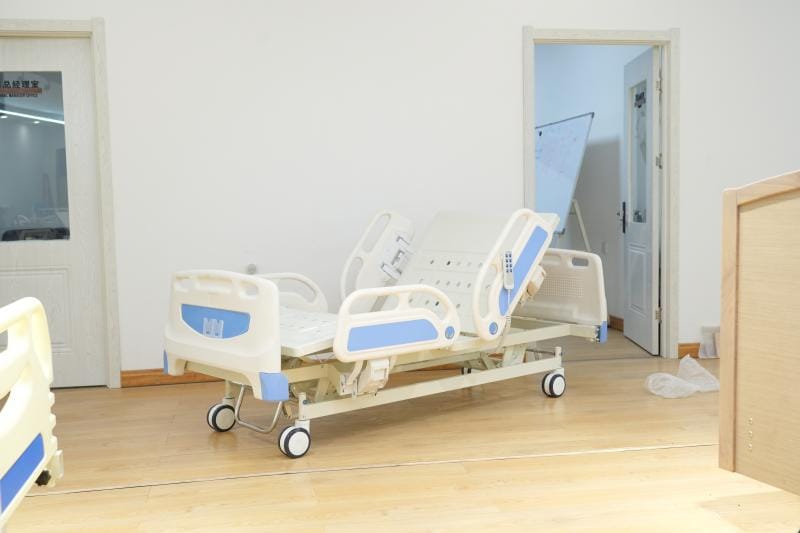
لماذا يعد تخطيط غرفة نوم المستشفى أمرًا مهمًا في مشتريات B2B
عادةً ما تتضمن عملية شراء تخطيط غرفة نوم المستشفى عدة فرق: المشتريات، والتمريض، والصيانة، والتمويل، وأحيانًا الموزعين المحليين. يرى كل فريق المخاطر بشكل مختلف. تريد المشتريات تسعيرًا واضحًا، ويريد مقدمو الرعاية تشغيلًا يوميًا آمنًا، وتريد فرق الخدمة الأجزاء التي يمكن تحديدها واستبدالها دون ارتباك.
يبدأ التقييم الجيد من خلال ربط مواصفات تخطيط غرفة نوم المستشفى بإعدادات الرعاية وملف تعريف المستخدم المتوقع وتخطيط الغرفة وعملية التنظيف وخطة الصيانة.
حدد إعداد الرعاية قبل مقارنة النماذج
قد يكون أداء تخطيط غرفة نوم المستشفى نفسه مختلفًا في جناح المستشفى أو دار رعاية المسنين أو غرفة إعادة التأهيل أو مشروع الرعاية المنزلية. يجب على المشترين تأكيد تنقل المريض، وتوظيف مقدمي الرعاية، وتكرار النقل، وما إذا كان سيتم نقل المعدات بشكل متكرر.
أسئلة للتوضيح مبكرا
اسأل من سيقوم بتشغيل المعدات، وعدد المرات التي تكون فيها التعديلات مطلوبة، وما هي الملحقات المطلوبة، وما إذا كان سوق الوجهة لديه وثائق أو توقعات وضع العلامات.
مطابقة الوظائف مع سير العمل اليومي
يمكن أن تبدو قوائم الوظائف متشابهة على الورق، لكن القيمة العملية تعتمد على كيفية دعم تخطيط غرفة نوم المستشفى لمهام الرعاية الحقيقية. يجب التحقق من تعديل مسند الظهر، وتعديل الارتفاع، ووضع الساق، وتشغيل السكة الجانبية، والفرملة، وتركيب الملحقات مقابل الاستخدام اليومي بدلاً من التعامل معها كمواصفات معزولة.
بالنسبة للموزعين، تساعد هذه الخطوة أيضًا فرق المبيعات على شرح سبب ملاءمة أحد التكوينات للرعاية الأساسية بينما يدعم تكوين آخر التعامل مع المرضى بشكل أكثر تطلبًا.
مراجعة المواد والهيكل واحتياجات التنظيف
يجب مراجعة تصميم غرفة نوم المستشفى المتين للتأكد من ثبات الإطار، وتشطيب السطح، ومواد اللوحة، والمناطق سهلة التنظيف، والأجزاء المعرضة للتلامس المتكرر. يجب على المشترين أن يسألوا عن كيفية تنظيف المنتج، وما هي المناطق التي يتجمع فيها الغبار، وكيف يتعامل الهيكل مع الحركة المتكررة.
وهذا مهم بشكل خاص للمرافق التي يتم فيها استخدام المعدات من قبل مقدمي الرعاية المختلفين عبر الورديات ويجب أن تظل قابلة للحضور بعد التنظيف الروتيني.
تحقق من تفاصيل السلامة وحماية المستخدم
السلامة ليست ميزة واحدة. يجب تقييم تخطيط غرفة نوم المستشفى من خلال ملاءمة السكة الجانبية، وقفل العجلات، وإمكانية الوصول للتحكم، وتحديد المواقع بشكل مستقر، والحركة السلسة، وتوجيه التشغيل الواضح. يجب على المشترين أيضًا التحقق مما إذا كان بإمكان المستخدمين فهم عناصر التحكم دون تدريب غير ضروري.
عندما يتضمن المشروع رعاية المسنين أو إعادة تأهيلهم، فإن تفاصيل السلامة الصغيرة يمكن أن تقلل من شكاوى الخدمة التي يمكن تجنبها وتحسن ثقة مقدمي الرعاية.
خطط للإكسسوارات والمراتب وأثاث الغرفة معًا
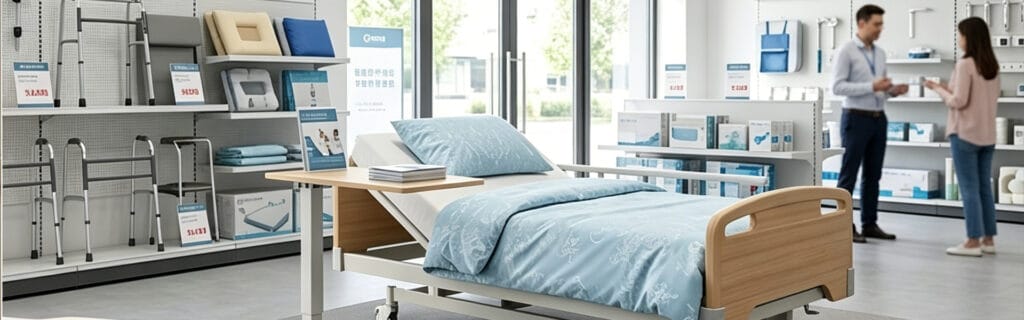
نادرًا ما يعمل تخطيط غرفة نوم المستشفى بمفرده. قد تؤثر المراتب والطاولات العلوية والخزائن بجانب السرير والأعمدة الوريدية وألواح الطعام والقضبان الجانبية وقطع الغيار على تجربة المستخدم النهائية. يمكن أن تؤدي الملحقات المفقودة إلى تأخير التثبيت أو إجبار المشتري على الحصول على عناصر غير متطابقة لاحقًا.
تشمل فئات LOHO ذات الصلة للمقارنة أسرة المستشفيات الكهربائية, أسرة المستشفيات اليدوية, أسرة التمريض الكهربائية, ملحقات السرير الطبية. تساعد هذه المراجع الداخلية المشترين على بناء تكوين كامل بدلاً من التعامل مع تخطيط غرفة نوم المستشفى كعنصر كتالوج واحد.
تقييم دعم الموردين واستقرار الطلب المتكرر
بالنسبة لمشتري B2B، يعد دعم الموردين مهمًا بقدر أهمية عرض الأسعار الأولي لتخطيط غرفة نوم المستشفى. اسأل ما إذا كانت أسماء الطرازات والمواصفات والصور وقوائم التعبئة والأدلة ومراجع الأجزاء تظل مستقرة عبر الطلبات المتكررة.
يجب على مشتري OEM فصل طلبات العلامة التجارية عن التغييرات الهندسية. قد تكون التغييرات البسيطة في الشعار أو الوثائق واضحة ومباشرة، بينما تتطلب التغييرات الهيكلية مراجعة فنية ومناقشة واقعية في المهلة الزمنية.
جدول المقارنة لمشتري تخطيط غرفة نوم المستشفى
| منطقة التقييم | ما يجب التحقق منه | لماذا يهم |
|---|---|---|
| إعداد الرعاية | المستشفى أو دار رعاية المسنين أو إعادة التأهيل أو استخدام الرعاية المنزلية | يمنع اختيار تصميم غير مناسب لغرفة نوم المستشفى |
| الوظائف الأساسية | نطاق الضبط وطريقة التحكم والحركة والقفل | يطابق المنتج مع سير عمل مقدم الرعاية اليومي |
| إكسسوارات | المرتبة والقضبان والطاولة والخزانة والعمود الرابع وقطع الغيار | ينشئ ترتيبًا كاملاً بدلاً من الحل الجزئي |
| التوثيق | ورقة المواصفات والدليل وقائمة التعبئة ومراجع الأجزاء | يدعم المبيعات والتركيب والتدريب وتكرار الطلبات |
| دعم الموردين | الاتصالات ومراجعة التخصيص وتخطيط ما بعد البيع | يقلل من مخاطر المشروع بعد الشحنة الأولى |
إعداد طلب عرض أسعار واضح
يجب أن يتضمن الاستعلام المفيد عن تخطيط غرفة نوم المستشفى الكمية، وسوق الوجهة، وإعدادات الرعاية، والوظائف المطلوبة، وتوقعات الملحقات، واحتياجات التعبئة والتغليف، ولغة التوثيق، وأي متطلبات للعلامة التجارية OEM. يساعد الإدخال الواضح LOHO على التوصية بالتكوين الذي يناسب المشروع بدلاً من إرسال قائمة أسعار عامة.
يجب على المشترين أيضًا أن يسألوا عن العناصر القياسية، وأيها اختيارية، وأي التفاصيل تحتاج إلى تأكيد قبل الإنتاج.
الأخطاء الشائعة لتجنبها
تأتي العديد من مشكلات تخطيط غرفة نوم المستشفى من حالات عدم التطابق الصغيرة: حجم المرتبة غير الواضح، أو افتراضات الملحقات الخاطئة، أو عدم كفاية مساحة الغرفة، أو فقدان قطع الغيار، أو طلبات التخصيص غير الموثقة. من الأسهل منع هذه المشكلات قبل الموافقة على الطلب بدلاً من تصحيحها بعد التسليم.
يجب على الموزعين الاحتفاظ بسجل تكوين مكتوب حتى تستخدم الطلبات المتكررة المستقبلية نفس تعريف المنتج وحزمة الملحقات ومراجع الخدمة.
الأسئلة الشائعة حول تخطيط غرفة نوم المستشفى
ما الذي يجب على المشترين تأكيده قبل طلب تخطيط غرفة نوم المستشفى؟
يجب على المشترين تأكيد إعداد الرعاية والكمية والوظائف المطلوبة وحزمة الملحقات وقيود الغرفة واحتياجات الوثائق وسوق الوجهة قبل طلب تخطيط غرفة نوم المستشفى.
هل تصميم غرفة نوم المستشفى مناسب لكل منشأة للرعاية الصحية؟
رقم يجب أن يتوافق تخطيط غرفة نوم المستشفى مع حالة المريض وسير عمل مقدم الرعاية وتخطيط الغرفة وقدرة الصيانة. قد لا يناسب تكوين واحد كل مشروع.
هل يجب على الموزعين طلب قطع الغيار مع طلب تخطيط غرفة نوم المستشفى؟
نعم. يجب على الموزعين مناقشة قطع الغيار المشتركة ورموز قطع الغيار ووثائق الخدمة حتى يصبح الدعم المحلي أسهل بعد التسليم.
هل يمكن لـ LOHO دعم متطلبات OEM لتخطيط غرفة نوم المستشفى؟
يمكن لـ LOHO مناقشة احتياجات OEM مثل العلامة التجارية والوثائق ومراجعة التكوين. يجب تأكيد التغييرات الوظيفية من خلال التقييم الفني قبل الإنتاج.
كيف يمكن للمشترين الحصول على عرض أسعار مناسب لتخطيط غرفة نوم المستشفى؟
أرسل LOHO السوق المستهدف والكمية وبيئة الرعاية والوظائف المطلوبة وتوقعات الملحقات ومتطلبات الشحن بحيث يعكس عرض الأسعار احتياجات المشروع الحقيقية.
ناقش مشروع تخطيط غرفة نوم المستشفى باستخدام LOHO
إذا كنت تقارن خيارات تخطيط غرفة نوم المستشفى لمستشفى أو دار رعاية أو مركز إعادة تأهيل أو كتالوج موزع أو مشروع رعاية منزلية، فشارك السوق المستهدف والكمية والوظائف المطلوبة وقائمة الملحقات مع LOHO. يمكن للفريق المساعدة في مراجعة التكوين والوثائق وتفاصيل الاقتباس قبل تقديم الطلب.
اتصل بـ LOHO لطلب توصية عملية لتخطيط غرفة نوم المستشفى لمشروع الشراء التالي.