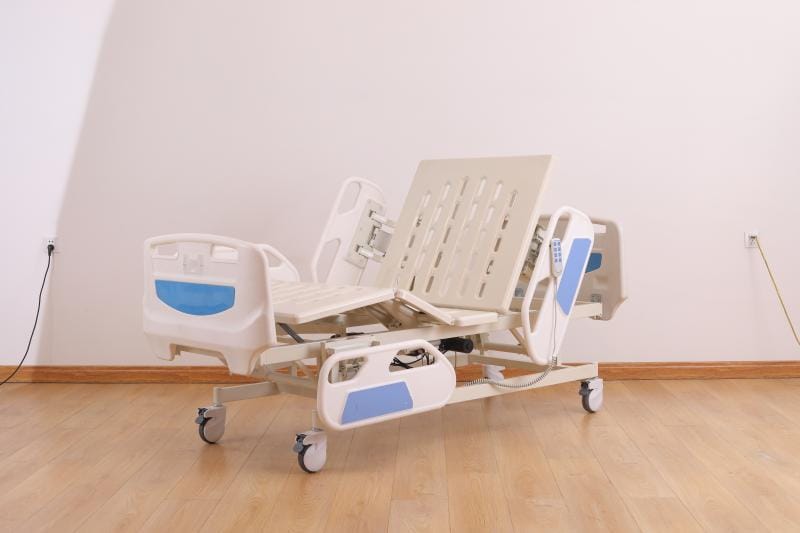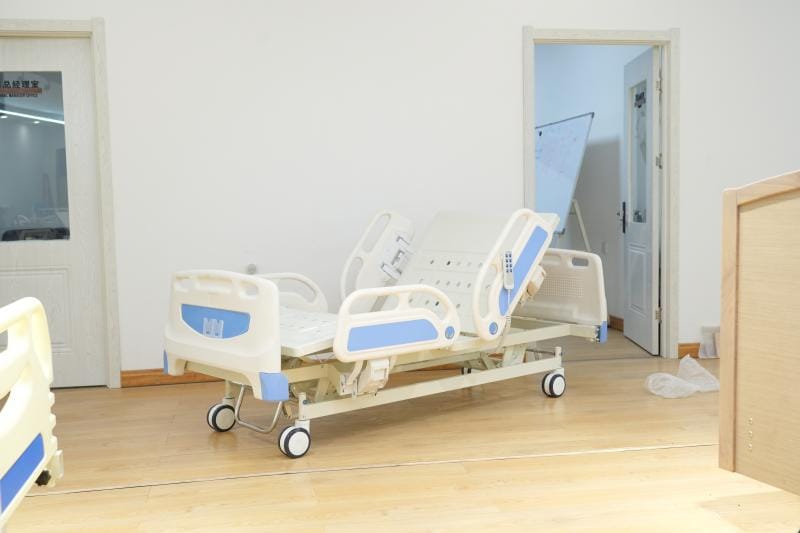
Las decisiones sobre repuestos para camas médicas afectan la comodidad del paciente, el flujo de trabajo del cuidador, la planificación de entregas y el soporte posventa. Para los compradores de instalaciones, equipos de servicio y distribuidores de muebles médicos, la elección correcta no se trata sólo de una característica visible; se trata de si la configuración completa puede funcionar de manera confiable en un entorno de cuidado real.
Esta guía de repuestos para camas médicas explica las comprobaciones prácticas que los compradores deben realizar antes de solicitar una cotización, aprobar una especificación o crear una línea de productos de pedidos repetidos con LOHO.

Por qué son importantes los repuestos de camas médicas en las adquisiciones B2B
La compra de repuestos para camas médicas generalmente involucra a varios equipos: adquisiciones, enfermería, mantenimiento, finanzas y, a veces, distribuidores locales. Cada equipo ve el riesgo de manera diferente. La adquisición requiere precios claros, los cuidadores quieren una operación diaria segura y los equipos de servicio quieren piezas que puedan identificarse y reemplazarse sin confusión.
Una buena evaluación comienza conectando la especificación de repuestos de camas médicas con el entorno de atención, el perfil de usuario esperado, la distribución de la habitación, el proceso de limpieza y el plan de mantenimiento.
Defina el entorno de cuidados antes de comparar modelos
Los mismos repuestos de camas médicas pueden funcionar de manera diferente en una sala de hospital, un asilo de ancianos, una sala de rehabilitación o un proyecto de atención domiciliaria. Los compradores deben confirmar la movilidad del paciente, la dotación de personal del cuidador, la frecuencia de transferencia y si el equipo se moverá con frecuencia.
Preguntas para aclarar temprano
Pregunte quién operará el equipo, con qué frecuencia se necesitan ajustes, qué accesorios se requieren y si el mercado de destino tiene expectativas de documentación o etiquetado.
Haga coincidir las funciones con el flujo de trabajo diario
Las listas de funciones pueden parecer similares en el papel, pero el valor práctico depende de cómo Medical Bed Spare Parts respalda tareas de cuidado reales. El ajuste del respaldo, el ajuste de altura, la posición de las piernas, el funcionamiento de los rieles laterales, el frenado y el montaje de accesorios deben compararse con el uso diario en lugar de tratarse como especificaciones aisladas.
Para los distribuidores, este paso también ayuda a los equipos de ventas a explicar por qué una configuración es adecuada para la atención básica mientras que otra admite un manejo más exigente del paciente.
Revise los materiales, la estructura y las necesidades de limpieza
Se deben revisar los repuestos duraderos de una cama médica para determinar la estabilidad del marco, el acabado de la superficie, el material del panel, las áreas de fácil limpieza y las piezas expuestas a contactos frecuentes. Los compradores deben preguntar cómo se limpia el producto, qué áreas acumulan polvo y cómo la estructura maneja los movimientos repetidos.
Esto es especialmente importante para instalaciones donde diferentes cuidadores utilizan el equipo durante los turnos y deben permanecer presentables después de la limpieza de rutina.
Consulta Detalles de Seguridad y Protección al Usuario
La seguridad no es una característica. Las piezas de repuesto de una cama médica deben evaluarse mediante el ajuste de la barandilla lateral, el bloqueo de las ruedas, la accesibilidad del control, el posicionamiento estable, el movimiento suave y una guía operativa clara. Los compradores también deben verificar si los usuarios pueden comprender los controles sin capacitación innecesaria.
Cuando un proyecto implica cuidado o rehabilitación de personas mayores, pequeños detalles de seguridad pueden reducir las quejas evitables sobre el servicio y mejorar la confianza de los cuidadores.
Planifique juntos accesorios, colchones y muebles de habitación
Un repuesto para cama médica rara vez funciona solo. Los colchones, las mesas sobremesa, los gabinetes junto a la cama, los postes intravenosos, los tableros de comedor, los rieles laterales y los repuestos pueden afectar la experiencia final del usuario. Los accesorios faltantes pueden retrasar la instalación o obligar al comprador a buscar artículos que no coincidan más adelante.
Las categorías LOHO relevantes para comparar incluyen accesorios para camas médicas, mobiliario hospitalario, póngase en contacto con LOHO. Estas referencias internas ayudan a los compradores a crear una configuración completa en lugar de tratar los repuestos de camas médicas como un solo artículo del catálogo.
Evaluar el soporte de los proveedores y la estabilidad de pedidos repetidos
Para los compradores de B2B, el soporte de proveedores es tan importante como la cotización inicial de repuestos para camas médicas. Pregunte si los nombres de los modelos, las especificaciones, las fotografías, las listas de embalaje, los manuales y las referencias de piezas permanecen estables en los pedidos repetidos.
Los compradores OEM deben separar las solicitudes de marca de los cambios de ingeniería. Los cambios simples en el logotipo o la documentación pueden ser sencillos, mientras que los cambios estructurales requieren una revisión técnica y una discusión realista a tiempo de entrega.
Tabla comparativa para compradores de repuestos de camas médicas
| Área de Evaluación | Qué comprobar | Por qué es importante |
|---|---|---|
| Entorno de cuidado | Uso hospitalario, de residencia de ancianos, de rehabilitación o de cuidados domiciliarios | Impide elegir repuestos de cama médica inadecuados |
| Funciones principales | Rango de ajuste, método de control, movimiento y bloqueo | Combina el producto con el flujo de trabajo diario del cuidador |
| Accesorios | Colchón, rieles, mesa, gabinete, poste intravenoso y repuestos | Crea un orden completo en lugar de una solución parcial |
| Documentación | Hoja de especificaciones, manual, lista de embalaje y referencias de piezas | Admite ventas, instalación, capacitación y pedidos repetidos |
| Soporte a proveedores | Comunicación, revisión de personalización y planificación postventa | Reduce el riesgo del proyecto después del primer envío |
Prepare una solicitud de cotización clara
Una consulta útil sobre repuestos para camas médicas debe incluir cantidad, mercado de destino, configuración de cuidado, funciones requeridas, expectativas de accesorios, necesidades de empaque, lenguaje de documentación y cualquier requisito de marca OEM. La entrada clara ayuda a LOHO a recomendar una configuración que se ajuste al proyecto en lugar de enviar una lista de precios genérica.
Los compradores también deben preguntar qué artículos son estándar, cuáles opcionales y qué detalles necesitan confirmación antes de la producción.
Errores comunes a evitar
Muchos problemas con los repuestos de camas médicas provienen de pequeñas discrepancias: tamaño de colchón poco claro, suposiciones incorrectas sobre accesorios, espacio libre insuficiente para la habitación, repuestos faltantes o solicitudes de personalización no documentadas. Estos problemas son más fáciles de prevenir antes de aprobar el pedido que de corregir después de la entrega.
Los distribuidores deben mantener un registro de configuración escrito para que los pedidos repetidos futuros utilicen la misma definición de producto, paquete de accesorios y referencias de servicio.

Preguntas frecuentes sobre repuestos para camas médicas
¿Qué deben confirmar los compradores antes de solicitar repuestos para camas médicas?
Los compradores deben confirmar el entorno de atención, la cantidad, las funciones requeridas, el paquete de accesorios, las limitaciones de las habitaciones, las necesidades de documentación y el mercado de destino antes de solicitar repuestos para camas médicas.
¿es adecuado un repuesto para camas médicas para todos los centros de atención médica?
No. Los repuestos de una cama médica deben adaptarse a la condición del paciente, el flujo de trabajo del cuidador, la distribución de la habitación y la capacidad de mantenimiento. Es posible que una configuración no se ajuste a todos los proyectos.
¿Deberían los distribuidores solicitar repuestos con un pedido de repuestos para camas médicas?
Sí. Los distribuidores deben analizar repuestos, códigos de pieza y documentación de servicio comunes para que el soporte local sea más fácil después de la entrega.
¿puede LOHO admitir requisitos OEM para repuestos de camas médicas?
LOHO puede discutir las necesidades de OEM, como marca, documentación y revisión de configuración. Los cambios funcionales deben confirmarse mediante una evaluación técnica antes de la producción.
¿cómo pueden los compradores obtener una cotización adecuada de repuestos para camas médicas?
Envíe LOHO al mercado objetivo, la cantidad, el entorno de atención, las funciones requeridas, las expectativas de accesorios y los requisitos de envío para que la cotización refleje las necesidades reales del proyecto.
Discuta su proyecto de repuestos para camas médicas con LOHO
Si está comparando opciones de repuestos de camas médicas para un hospital, residencia de ancianos, centro de rehabilitación, catálogo de distribuidores o proyecto de atención domiciliaria, comparta su mercado objetivo, cantidad, funciones requeridas y lista de accesorios con LOHO. El equipo puede ayudarle a revisar la configuración, la documentación y los detalles de la cotización antes de realizar un pedido.
Contacto LOHO para solicitar una recomendación práctica de repuestos de camas médicas para su próximo proyecto de adquisición.