Table of Contents
Hospital mattress cleaning should begin with the mattress condition and approved instructions, not with the choice of a stronger chemical. Staff need to know whether the cover is intact, whether contamination may have reached the inside, which cleaning and disinfection methods are compatible, and who authorises the mattress to return to use. Wiping a damaged cover does not resolve the condition beneath it.
For procurement teams, the practical objective is to buy a mattress that can be maintained within the facility's approved process and supported when its cover needs attention. This article addresses that purchasing and workflow decision. The infection-prevention team and manufacturer must define the applicable procedure; no universal chemical recipe or clinical decontamination protocol is provided here.
Distinguish Cleaning, Disinfection, And Inspection
Cleaning, disinfection, and condition inspection answer different questions. Removing visible soil is not the same as completing the required disinfection process, and a completed cleaning record does not establish that a cover remains intact. Give each task a clear place in the local procedure.
The CDC's disinfection and sterilisation recommendations provide the healthcare context for appropriate processing of environmental surfaces. The purchasing team should obtain material-specific instructions and let the responsible clinical team determine the method required for the setting. Do not convert general guidance into an unverified instruction for a particular LOHO cover.
Define who can stop the routine process when an unexpected condition is found. A cleaner should not have to choose between marking an item complete and independently deciding whether the inner mattress is safe. A clear escalation route makes it possible to separate the affected item without creating a false ready-for-use status.
Identify The Exact Cover And Mattress Construction
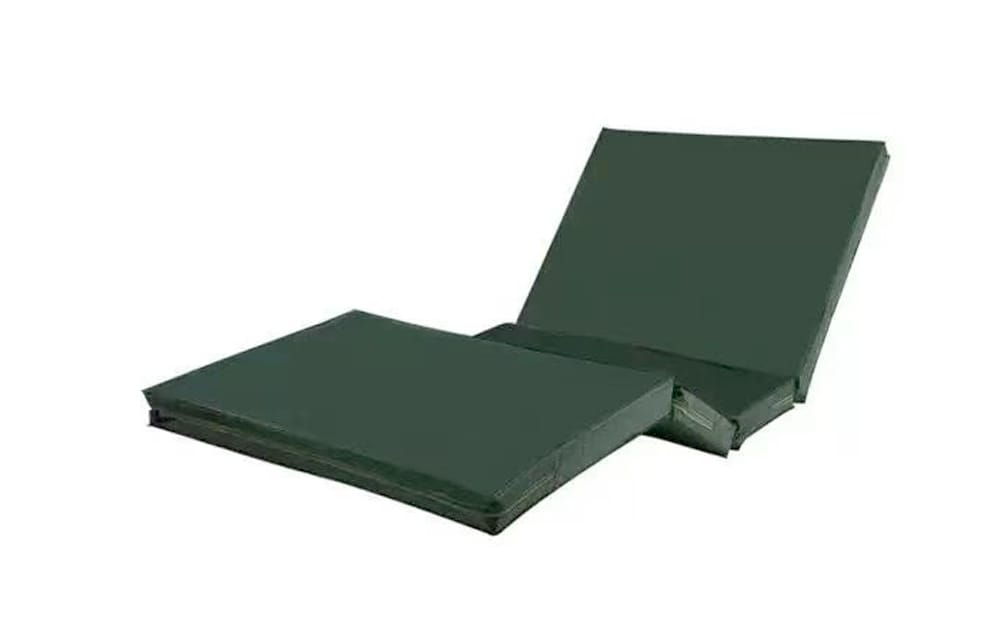
LOHO's coconut coir hospital bed mattress is described with 4 cm of coir, 2 cm of sponge, and a removable waterproof canvas cover with zippers at both ends. Those are specific product facts. They do not establish every compatible disinfectant, wash cycle, drying condition, or inner-core treatment.
Request the cleaning information for the cover actually quoted, including any optional material or construction change. A removable cover does not automatically mean that the complete mattress can be immersed or that the cover can tolerate any machine-washing programme. Confirm the permitted removal, cleaning, drying, and refitting process in writing.
Keep the cover reference linked to the mattress and bed configuration. If a replacement is ordered later, a visually similar colour or fabric is not enough to establish equivalence. Fit, attachment, material compatibility, and any relevant product evidence need the appropriate review.
Make Cover Condition A Release Decision
Inspect the areas specified by the manufacturer, including surfaces that are not visible when the bed is made. Report damage, wear, staining, or other unexpected conditions using the facility's procedure. Do not rely only on the upper surface or assume that a dark cover makes contamination easy to identify.
The FDA's hospital mattress-cover safety guidance explains that damaged covers can allow fluids into mattresses. It recommends a planned inspection approach and appropriate removal or replacement of affected items. This supports treating cover condition as a separate decision from routine surface cleaning.
If fluid entry is suspected, hold the affected mattress for assessment under the facility's process. Fitting a new cover does not by itself establish that the inner material is suitable for reuse. Do not improvise soaking, drying, patching, or chemical treatment of the core when the instructions do not support it.

Reconcile Chemical Instructions Before Routine Use
The facility may already have an approved disinfectant and application process. Send the relevant product information to the mattress supplier and ask whether that process is compatible with the complete cover construction. Include the concentration, contact conditions, application method, and any rinsing or drying requirements rather than only naming the chemical family.
For US EPA-registered disinfectants, the EPA's guidance on application methods emphasises following the product label, including the specified method. A mattress manufacturer's material approval and a disinfectant label serve different purposes; both must be considered by the responsible team. Other destinations have their own product requirements.
If the instructions conflict, do not resolve the conflict by choosing a stronger solution or shortening an exposure. Ask the manufacturer and infection-prevention team to agree an appropriate supported approach or reconsider the product specification. An attractive cover is not a workable choice if the required local process cannot be supported.
Use A Cleaning-Compatibility Review Table
| Review item | Evidence needed before approval | Decision it supports |
|---|---|---|
| Cover identity | Material and configuration reference | Matches instructions to the supplied product |
| Routine method | Approved cleaning and disinfection instructions | Confirms a workable everyday process |
| Local chemical | Relevant label and supplier compatibility response | Resolves material and application requirements |
| Removal and refitting | Permitted sequence and precautions | Prevents assumptions based on a zipper alone |
| Drying and storage | Manufacturer conditions and local clean-storage plan | Defines readiness after processing |
| Damage or suspected ingress | Withdrawal, assessment, and replacement route | Prevents a surface wipe from closing a deeper issue |
| Replacement cover | Approved part and configuration information | Keeps future supplies within the accepted arrangement |
This is an evidence review, not a pass-fail laboratory test. A sample can help staff assess access and follow the instructions, but a short trial cannot establish long-term chemical resistance or microbiological effectiveness. Ask for the evidence appropriate to any performance claim the purchase requires.
Record the exact procedure used in a trial and any unanswered questions. If the supplier changes the cover material or instructions afterward, determine which parts of the review need repeating. Acceptance should refer to a controlled configuration rather than the general phrase waterproof mattress.
Separate Routine Work From Patient-Turnover Work
Routine cleaning, cleaning after a spill, and preparation between users may involve different access and responsibilities. The local procedure should say when the bed is available, how linen and other items are handled, and who checks the mattress condition. Procurement should confirm that the chosen cover can support those tasks using its approved instructions.
The CDC's environmental cleaning procedures discuss coordination and responsibility for healthcare surfaces and equipment. Apply that principle by assigning the mattress, cover, and bed-frame tasks explicitly. Do not leave a removable component between teams because each assumes the other is responsible.
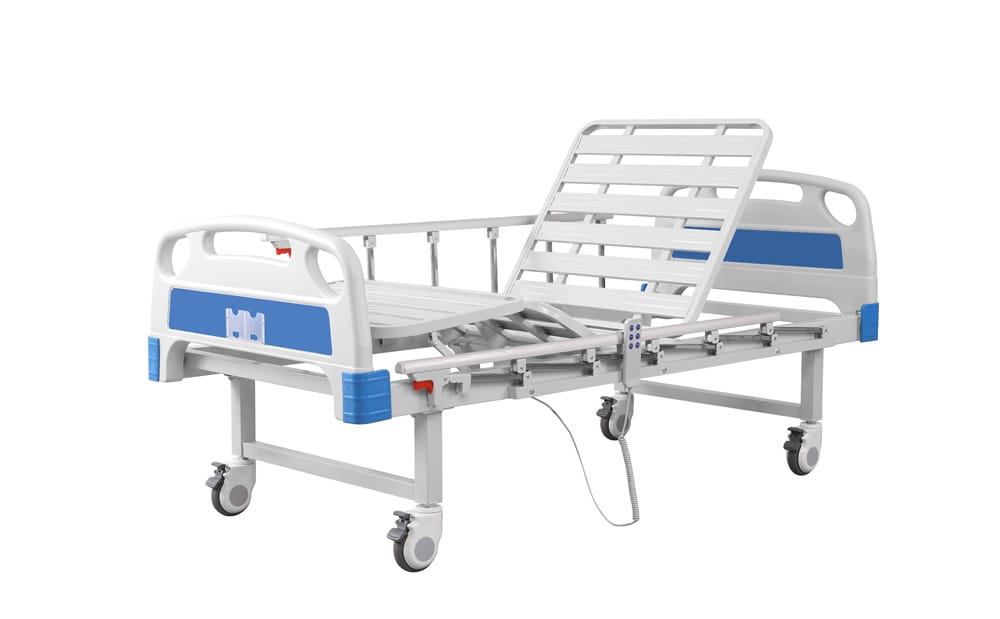
LOHO's broader bed cleaning and maintenance guide concerns the complete bed workflow. Keep the mattress procedure identifiable within that system so an electrical-frame restriction is not mistakenly applied as a cover instruction, or a cover-washing instruction extended to the bed's controls.

Plan Replacements Without Normalising Unapproved Repairs
Ask how approved replacement covers are identified and supplied, and what information is needed to match them to existing mattresses. Keep those references in the equipment record before a damaged cover creates an urgent request. Do not assume replacement availability or a particular supply period without confirmation.
An improvised patch, adhesive, or substitute cover should not be treated as a routine solution unless it is supported by the relevant manufacturer instructions and local assessment. A repair can change the surface, seams, fit, or cleaning behaviour. The fact that a patch hides a visible tear does not establish a restored barrier.
The medical bed accessories category helps identify the LOHO product context. Use LOHO's service route for a model-specific enquiry with the mattress and cover identification, factual observations, and relevant photographs that exclude patient information.
Keep A Record That Supports The Next Decision
A useful record connects the mattress identity, applicable instructions, condition findings, cleaning status, and any replacement or withdrawal decision. It does not need to contain unnecessary personal information. The purpose is to make the next user's equipment status clear and preserve enough history to investigate repeated issues.
For recurring damage, record where it appears and the circumstances known to staff. Possible explanations should remain hypotheses until assessed. Do not label every defect chemical damage or misuse without evidence; the manufacturer and facility may need to examine several factors.
Before a repeat order, review whether the original cover remains compatible with current procedures. A change in the facility's disinfectant or the manufacturer's cover construction may reopen the acceptance question. Keep both sides informed rather than assuming that a previously approved product and a previously approved process remain compatible after either changes.
Conclusion
Choose and manage a mattress through its complete care process: identify the cover, verify the method, inspect condition, address suspected ingress, and document release or withdrawal. A waterproof description is a starting point for questions, not permission for unrestricted cleaning.
Send LOHO your mattress configuration and cleaning-procedure requirements to request the relevant cover-care and replacement information. Have infection-prevention and equipment-management staff resolve any gaps before the process becomes routine.
FAQ
Does a waterproof cover mean the entire mattress can be washed?
No. Confirm the permitted method for the cover and the inner materials separately. Do not infer immersion or machine-washing permission from a general waterproof description.
Can a new cover make a contaminated inner mattress suitable again?
Not automatically. Hold the affected item for assessment under the facility's procedure and manufacturer instructions. Replacing the outer layer does not establish the condition of the core.
Is stronger disinfectant always more appropriate?
No. Use the approved process and product directions. Changing concentration or application conditions can conflict with both effective use and material compatibility.
Should a removable cover be taken off at every cleaning?
Follow the applicable inspection and cleaning procedure rather than inventing a universal interval. The permitted removal method and required access should be defined for the model and task.
What should buyers request before standardising a cover?
Request its exact reference, care instructions, compatibility with the local procedure, damage-response guidance, and supported replacement route. Resolve missing information before fleet-wide adoption.