news

/ news

Hospital Bed Price: How to Compare Supplier Quotations and Total Cost

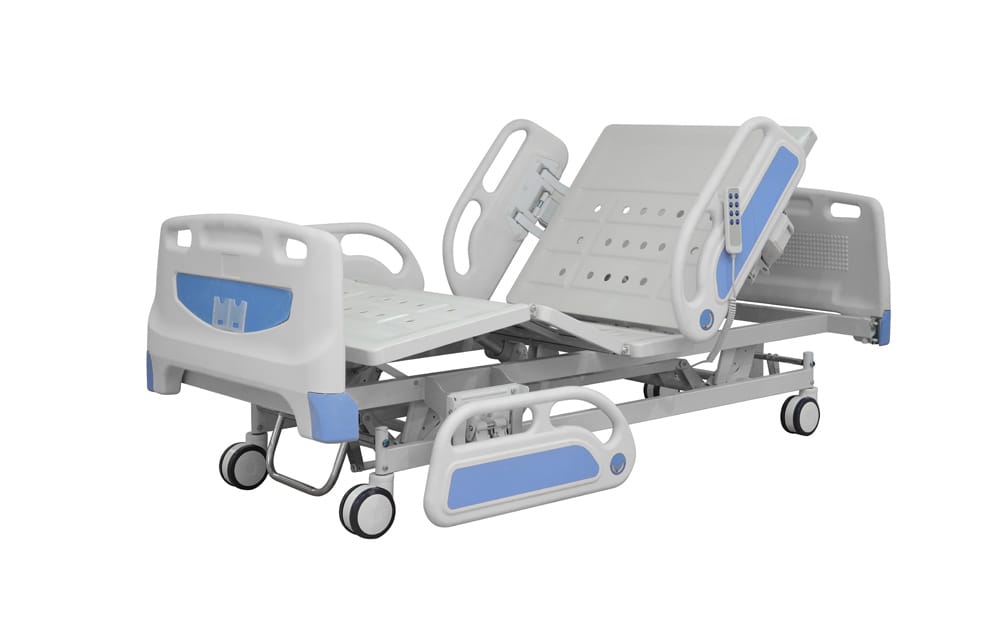
A hospital bed price cannot be evaluated from the unit figure alone. To make a reliable comparison, every supplier should quote the same bed type, functions, dimensions, load requirements, mattress, side rails, casters, electrical system, accessories, documentation, packaging, delivery terms, warranty and spare-parts scope. The most useful purchasing question is therefore not simply: How much does a hospital bed cost? A better question is: What exactly is included in the hospital bed price, what evidence supports the specification, and what will it cost to receive, commission and maintain the bed? This distinction is important for hospitals, medical equipment distributors, nursing-home operators, project contractors and importers. Two beds may look similar in photographs but differ substantially in function, construction, safety components, packaging and after-sales support. A lower quotation is not necessarily a worse offer. A higher quotation is not automatically a better one. The purpose of a professional comparison is to determine whether each supplier is offering the same scope. What Determines a Hospital Bed Price?How the Care Setting Changes Hospital Bed PriceHow to Compare Manual and Electric Hospital Bed PriceCompare Movements Instead of Function NamesCheck Dimensions, Height Range and Load DefinitionsTreat the Bed, Mattress, Rails and Accessories as a SystemAsk Which Standard and Edition ApplyVerify Quality and Regulatory Claims PreciselySeparate Standard Inclusions From Optional ItemsHow Packaging Changes Hospital Bed PriceCompare the Incoterms® Rule and Named PlaceCalculate the Full Hospital Bed PriceInclude Warranty and Spare Parts in the ComparisonUse the Sample as a Production ReferenceInformation to Include in a Hospital Bed RFQFAQConclusion What Determines a Hospital Bed Price? A hospital bed price is mainly determined by the intended care environment, operating system, adjustment functions, structural specification, safety components, accessories, documentation, order quantity, packaging, delivery terms and after-sales responsibilities. The following factors commonly change a quotation: Cost factorQuestions the buyer should askBed...

Hospital Bed Safety Checklist for Care Facilities

A hospital bed safety checklist gives care teams and procurement managers a repeatable way to turn equipment features into safer daily practice. It is useful before a new installation, during routine room rounds, and whenever a patient’s mobility or care needs change. The goal is not to treat the bed as a stand-alone device. Safe use depends on the bed, mattress, rails, controls, room layout, staff routines, and the individual patient working together. Table of ContentsWhy a hospital bed safety checklist mattersCheck mattress and bed compatibilityInspect side rails as part of the sleep surfaceTest brakes, castors, and transfer stabilitySet the bed height for the care taskCheck electrical functions and hand controlsKeep the surrounding room clear and functionalBuild the checklist into routine maintenanceA practical handover for safer bed use Why a hospital bed safety checklist matters A well-designed hospital bed safety checklist helps teams spot hazards before they become incidents. It also creates a shared language between nursing, facilities, infection prevention, and purchasing. Instead of asking whether a bed is generally safe, the checklist asks practical questions: Is the right mattress installed? Are the brakes secure? Can the patient reach the call system? Do the rails match the patient’s assessed needs? For a useful starting point, review the World Health Organization’s patient-safety resources alongside your local clinical policies. A hospital bed safety checklist should support clinical judgment, not replace it. Check mattress and bed compatibility Start every hospital bed safety checklist by confirming that the mattress is intended for the bed frame and that it sits securely on the deck. A mattress that is too narrow, too short, or too thick can create gaps around rails and end panels. It can also affect transfer height, rail coverage, and the way a patient positions near an edge. Check the manufacturer’s instructions for...

Search Content

Inquiry about LOHO

官网询盘
官网询盘
官网询盘