Understanding the Mind–Body Connection

Hospital bed accessories for elderly care is a practical procurement topic for hospitals, nursing homes, rehabilitation centers, distributors, and home care programs. Buyers searching for this subject are usually not looking for a general explanation; they are comparing real equipment, product configurations, supplier capability, and long-term support.

This LOHO guide explains how to evaluate hospital bed accessories for elderly care as part of a complete medical care environment. It focuses on product fit, caregiver workflow, safety, cleaning, maintenance, spare parts, packaging, documentation, and project planning. The article is written for B2B buyers who need useful details before sending an inquiry or confirming a specification.

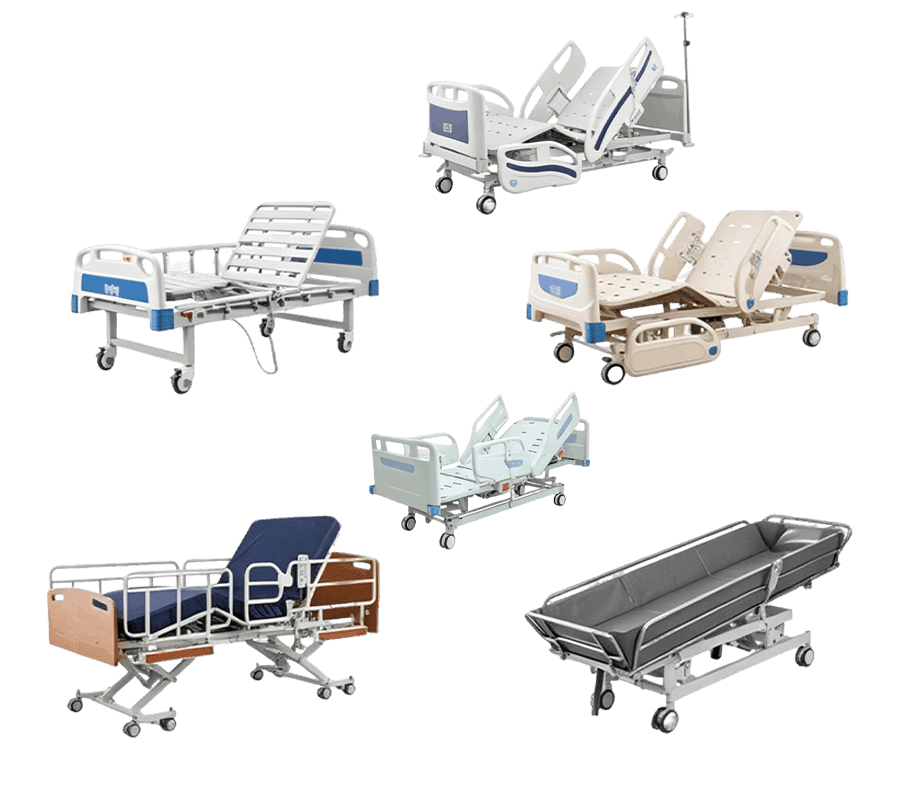
LOHO supplies electric hospital beds, manual hospital beds, electric nursing beds, manual nursing beds, hospital furniture, medical bed accessories, and rehabilitation equipment. That product range allows buyers to discuss the main equipment and related accessories together, which is important when a project needs consistency across many rooms.

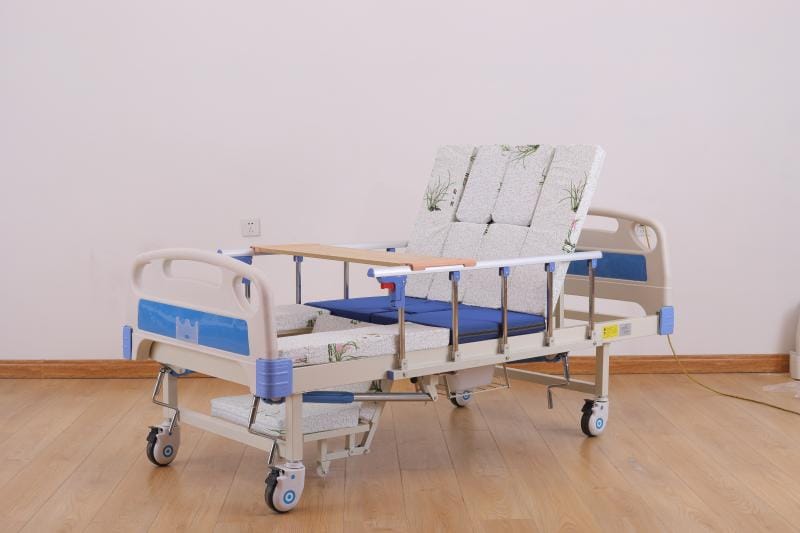
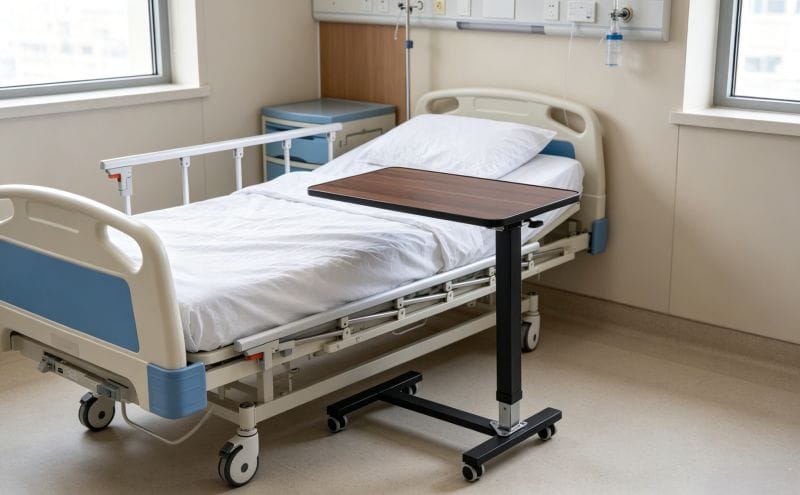
hospital bed accessories for elderly care overbed table

Why hospital bed accessories for elderly care Matters to B2B Buyers

Hospital bed accessories for elderly care should be evaluated according to the care setting rather than as an isolated product. A hospital ward, nursing home, rehabilitation room, and home care project may all need different priorities. Buyers should define the patient group, staff routine, room layout, cleaning process, and expected service life before comparing quotations.

The most useful specification is practical and measurable. Buyers should ask about dimensions, materials, load capacity where relevant, adjustment range, accessory compatibility, spare part availability, packaging, and documentation. Vague claims such as high quality or durable design are not enough for serious procurement.

Daily usability matters because medical equipment is handled repeatedly by caregivers, patients, cleaners, and maintenance teams. A small design issue can become a daily frustration when multiplied across many rooms. Smooth movement, secure locking, stable surfaces, easy cleaning, and clear labeling all support better care routines.

For distributors, hospital bed accessories for elderly care also needs to be easy to explain and support in the local market. Stable model names, consistent spare parts, clear manuals, and realistic product photos help sales teams answer customer questions and reduce after-sales pressure.

Main Applications in Care Facilities

Hospital bed accessories for elderly care should be evaluated according to the care setting rather than as an isolated product. A hospital ward, nursing home, rehabilitation room, and home care project may all need different priorities. Buyers should define the patient group, staff routine, room layout, cleaning process, and expected service life before comparing quotations.

The most useful specification is practical and measurable. Buyers should ask about dimensions, materials, load capacity where relevant, adjustment range, accessory compatibility, spare part availability, packaging, and documentation. Vague claims such as high quality or durable design are not enough for serious procurement.

Daily usability matters because medical equipment is handled repeatedly by caregivers, patients, cleaners, and maintenance teams. A small design issue can become a daily frustration when multiplied across many rooms. Smooth movement, secure locking, stable surfaces, easy cleaning, and clear labeling all support better care routines.

For distributors, hospital bed accessories for elderly care also needs to be easy to explain and support in the local market. Stable model names, consistent spare parts, clear manuals, and realistic product photos help sales teams answer customer questions and reduce after-sales pressure.

Core Features to Compare

Hospital bed accessories for elderly care should be evaluated according to the care setting rather than as an isolated product. A hospital ward, nursing home, rehabilitation room, and home care project may all need different priorities. Buyers should define the patient group, staff routine, room layout, cleaning process, and expected service life before comparing quotations.

The most useful specification is practical and measurable. Buyers should ask about dimensions, materials, load capacity where relevant, adjustment range, accessory compatibility, spare part availability, packaging, and documentation. Vague claims such as high quality or durable design are not enough for serious procurement.

Daily usability matters because medical equipment is handled repeatedly by caregivers, patients, cleaners, and maintenance teams. A small design issue can become a daily frustration when multiplied across many rooms. Smooth movement, secure locking, stable surfaces, easy cleaning, and clear labeling all support better care routines.

For distributors, hospital bed accessories for elderly care also needs to be easy to explain and support in the local market. Stable model names, consistent spare parts, clear manuals, and realistic product photos help sales teams answer customer questions and reduce after-sales pressure.

Caregiver Workflow and Patient Experience

Hospital bed accessories for elderly care should be evaluated according to the care setting rather than as an isolated product. A hospital ward, nursing home, rehabilitation room, and home care project may all need different priorities. Buyers should define the patient group, staff routine, room layout, cleaning process, and expected service life before comparing quotations.

The most useful specification is practical and measurable. Buyers should ask about dimensions, materials, load capacity where relevant, adjustment range, accessory compatibility, spare part availability, packaging, and documentation. Vague claims such as high quality or durable design are not enough for serious procurement.

Daily usability matters because medical equipment is handled repeatedly by caregivers, patients, cleaners, and maintenance teams. A small design issue can become a daily frustration when multiplied across many rooms. Smooth movement, secure locking, stable surfaces, easy cleaning, and clear labeling all support better care routines.

For distributors, hospital bed accessories for elderly care also needs to be easy to explain and support in the local market. Stable model names, consistent spare parts, clear manuals, and realistic product photos help sales teams answer customer questions and reduce after-sales pressure.

Safety, Stability, and Comfort Checks

Hospital bed accessories for elderly care should be evaluated according to the care setting rather than as an isolated product. A hospital ward, nursing home, rehabilitation room, and home care project may all need different priorities. Buyers should define the patient group, staff routine, room layout, cleaning process, and expected service life before comparing quotations.

The most useful specification is practical and measurable. Buyers should ask about dimensions, materials, load capacity where relevant, adjustment range, accessory compatibility, spare part availability, packaging, and documentation. Vague claims such as high quality or durable design are not enough for serious procurement.

Daily usability matters because medical equipment is handled repeatedly by caregivers, patients, cleaners, and maintenance teams. A small design issue can become a daily frustration when multiplied across many rooms. Smooth movement, secure locking, stable surfaces, easy cleaning, and clear labeling all support better care routines.

For distributors, hospital bed accessories for elderly care also needs to be easy to explain and support in the local market. Stable model names, consistent spare parts, clear manuals, and realistic product photos help sales teams answer customer questions and reduce after-sales pressure.

Materials, Cleaning, and Maintenance

Hospital bed accessories for elderly care should be evaluated according to the care setting rather than as an isolated product. A hospital ward, nursing home, rehabilitation room, and home care project may all need different priorities. Buyers should define the patient group, staff routine, room layout, cleaning process, and expected service life before comparing quotations.

The most useful specification is practical and measurable. Buyers should ask about dimensions, materials, load capacity where relevant, adjustment range, accessory compatibility, spare part availability, packaging, and documentation. Vague claims such as high quality or durable design are not enough for serious procurement.

Daily usability matters because medical equipment is handled repeatedly by caregivers, patients, cleaners, and maintenance teams. A small design issue can become a daily frustration when multiplied across many rooms. Smooth movement, secure locking, stable surfaces, easy cleaning, and clear labeling all support better care routines.

For distributors, hospital bed accessories for elderly care also needs to be easy to explain and support in the local market. Stable model names, consistent spare parts, clear manuals, and realistic product photos help sales teams answer customer questions and reduce after-sales pressure.

hospital bed accessories for elderly care bedside cabinet

Procurement Comparison Table

Evaluation AreaWhat to CheckWhy It Matters
ApplicationHospital, nursing home, rehabilitation, distributor, or home careEnsures the configuration fits real use
CompatibilityBed model, mattress, rails, furniture, or accessoriesPrevents mismatch after delivery
OperationMovement, locking, adjustment, storage, or support functionAffects caregiver workflow
CleaningSurface design, joints, covers, and high-touch areasSupports facility hygiene routines
MaintenanceSpare parts, part codes, manuals, and service responseProtects long-term value
PackagingCarton marking, accessory labels, assembly notesReduces installation mistakes

Project Planning and Standardization

Project buyers should standardize the configuration wherever possible. Standardization helps staff training, spare parts stocking, room planning, and repeat orders. It also makes future expansion easier because the buyer can repeat a proven setup instead of reviewing every detail again.

A project plan should include the main product, accessory list, optional upgrades, spare parts, installation method, documentation language, and after-sales contact path. These details may seem administrative, but they strongly influence the experience after the products arrive.

For elderly care and long-term care, buyers should also consider how needs may change over time. A resident who needs only basic support today may need more assistance later. Selecting equipment with suitable accessories and replacement options can reduce future disruption.

For export projects, packaging and handover are part of the product. Clear carton labels, protected accessories, organized manuals, and model-specific packing lists help local teams install and service the product correctly.

How to Work With a Manufacturer

A reliable manufacturer should answer with practical information, not only catalog language. Buyers can ask for specifications, photos, videos, accessory recommendations, spare part lists, and packaging details. When the supplier understands the care setting, the recommendation becomes more accurate.

LOHO can support buyers with related categories such as

<a href="https://lohomed.com/product-category/electric-hospital-bed/">electric hospital beds</a>

,

<a href="https://lohomed.com/product-category/manual-hospital-bed/">manual hospital beds</a>

,

<a href="https://lohomed.com/product-category/medical-bed-accessories/">medical bed accessories</a>

, and

<a href="https://lohomed.com/product-category/hospital-furniture/">hospital furniture</a>

. Buyers can also

<a href="https://lohomed.com/contact-us/">contact LOHO</a>

with project details.

For broader safety context, buyers can review

<a href="https://www.fda.gov/medical-devices/general-hospital-devices-and-supplies/hospital-beds">FDA hospital bed information</a>

and

<a href="https://www.who.int/europe/news-room/questions-and-answers/item/long-term-care">WHO long-term care resources</a>

. These resources do not replace product evaluation, but they reinforce the need to consider the full care environment.

Good communication reduces sourcing risk. The inquiry should mention quantity, destination market, care setting, patient group, accessory needs, packaging requirements, and whether OEM or ODM support is needed.

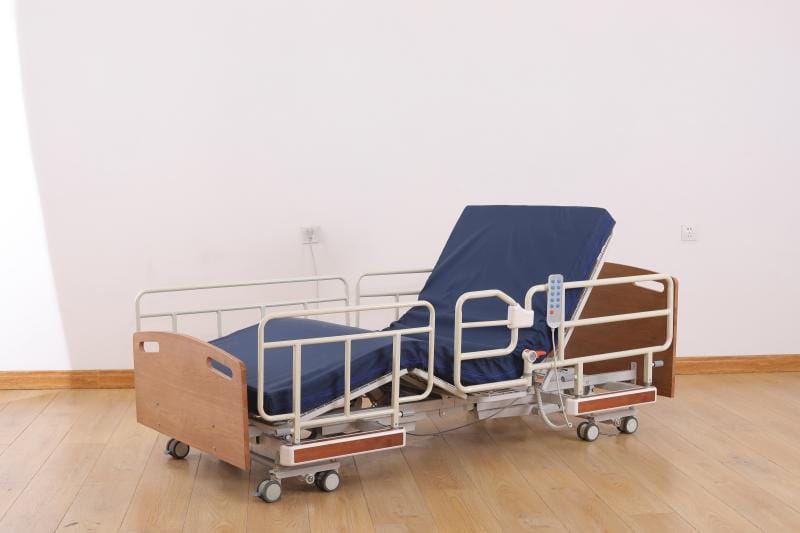
hospital bed accessories for elderly care room setup

Quality Control Before Shipment

Quality control should confirm both appearance and function. Appearance includes surface finish, panels, coating, mattress cover, cabinet finish, table surface, and visible assembly quality. Function includes movement, braking, locking, adjustment, stability, and accessory fit.

Inspection photos and short product videos can help remote buyers understand the delivered configuration. For repeat orders, using the same inspection checklist across batches makes changes easier to identify.

Buyers should confirm whether the product shown in the quotation matches the product in the packing list. This is especially important when an order includes optional accessories or market-specific packaging.

A clear quality control process protects both sides. It reduces misunderstandings, supports consistent delivery, and gives distributors stronger confidence when presenting the product to local customers.

Delivery, Installation, and Handover

Delivery planning should consider carton size, unloading, temporary storage, installation space, and whether the care facility is already operating. Large batches need more coordination than single sample orders.

Installation instructions should match the actual model. If accessories are packed separately, labels should be clear. Local technicians should be able to identify the correct rails, casters, tables, mattresses, cabinets, or spare parts without guessing.

Handover should include a short operation review. Staff should know how to move, lock, adjust, clean, and inspect the product. Home care users may need simpler instructions because family caregivers are not always trained like hospital staff.

The best procurement result is a product that works well after delivery, not only a product that looks acceptable in a quotation. Buyers should therefore evaluate hospital bed accessories for elderly care through the full cycle: selection, shipment, installation, use, maintenance, and repeat order.

Long-Term Value and Lifecycle Cost

Lifecycle value is one of the most important considerations for B2B medical equipment buyers. The purchase price is only one part of the decision. Facilities also need to consider how often the product will be used, how easy it is to clean, whether staff can operate it confidently, how quickly spare parts can be obtained, and whether the product remains consistent across repeat orders.

A product with clear documentation and stable components can save time long after the first shipment. Maintenance teams can identify parts faster, distributors can answer customer questions more accurately, and care teams can continue using familiar equipment. This is why standardization should be part of the procurement conversation from the beginning.

For hospital bed accessories for elderly care, lifecycle cost may include replacement accessories, wear components, cleaning time, service calls, packaging damage, installation delays, and training needs. These factors are easy to overlook during quotation comparison, but they influence the real value of the project.

Buyers should ask suppliers how they support repeat orders. If the same model is ordered again months later, will the key specifications remain stable? Will spare parts match the previous batch? Will manuals and labels stay consistent? These questions help protect long-term project continuity.

Risk Reduction for Hospitals, Nursing Homes, and Distributors

Risk reduction begins with clear product matching. Buyers should avoid choosing equipment only because it appears similar to a previous product. Even small differences in height, rail design, caster type, mattress fit, storage layout, or accessory placement can affect real use. A careful review reduces problems after delivery.

Hospitals may focus on cleaning, movement, emergency access, and high-use durability. Nursing homes may focus on long-term comfort, fall-risk routines, and caregiver convenience. Distributors may focus on packaging, model consistency, spare parts, and market presentation. Each buyer type needs a slightly different risk checklist.

A sample review can reduce uncertainty. When possible, buyers should test movement, locks, surfaces, edges, installation steps, and accessory fit before placing a larger order. If a physical sample is not practical, detailed videos and inspection photos can still help decision makers understand the product more clearly.

Risk also comes from incomplete communication. A supplier cannot recommend the best configuration if the buyer only asks for a general price. Project details such as patient group, facility type, room size, destination market, accessory needs, and packaging expectations should be shared early.

Documentation Buyers Should Request

Documentation should include more than a basic sales brochure. Buyers should request product specifications, accessory lists, packing details, operation notes, cleaning guidance, and spare part references. These materials help internal teams compare options and make the handover smoother after delivery.

For distributors, documentation can become part of the sales system. A clear catalog page, consistent model name, labeled product image, and simple comparison table make it easier for local sales teams to explain the product. This improves customer confidence and reduces repeated clarification work.

For facilities, documentation supports training and maintenance. Caregivers need practical instructions, while maintenance teams need part identification and inspection guidance. If the product is used in home care, the documentation should be simple enough for family caregivers to understand.

When OEM or ODM changes are requested, documentation should be updated before shipment. Manuals, labels, cartons, and accessory lists should match the final configuration. Mismatched documentation creates confusion and makes the product feel less professional.

How to Send a Better Inquiry to LOHO

A strong inquiry helps LOHO recommend the right solution faster. Buyers should include the target care setting, quantity, destination market, preferred functions, room environment, user group, required accessories, and any packaging or branding needs. This context allows the recommendation to match real project conditions.

If the buyer is comparing hospital bed accessories for elderly care across several suppliers, it is useful to request the same information from each supplier. This may include dimensions, materials, accessory compatibility, warranty terms, spare part availability, packaging size, and estimated lead time. Comparable data makes the final decision more objective.

Buyers should also explain whether the order is for a sample, trial project, distributor catalog, tender, or full facility rollout. The stage of the project affects what information is most important. A sample order may focus on evaluation, while a tender may require formal documentation and stable specifications.

LOHO can support buyers by discussing product categories together. In many projects, the best answer is not only one product but a complete configuration that includes medical beds, nursing beds, furniture, accessories, mattresses, rails, tables, cabinets, and rehabilitation equipment.

Accessory planning helps elderly care projects feel complete. Mattresses, rails, tables, cabinets, casters, and spare parts should be selected together so the bed system supports real care routines.

FAQ

What should buyers check first?

Start with the care setting, user group, room layout, and compatibility with the existing bed or furniture system.

How many images should be reviewed before ordering?

Buyers should review at least a full product image, key functional details, and the product in a care-room context whenever possible.

Why is spare parts planning important?

Spare parts keep equipment in service and reduce downtime when high-use components wear or become damaged.

Can the configuration be customized?

Many configurations can be adjusted for OEM or project needs, but functional changes should be confirmed early with the manufacturer.

How can buyers get a recommendation from LOHO?

Send LOHO the target market, care setting, quantity, required functions, and accessory needs so the team can suggest a suitable configuration.

If you are planning a hospital, nursing home, rehabilitation, distribution, or home care project, contact LOHO to discuss hospital bed accessories for elderly care and related medical care equipment for your market.

overbed table and bedside cabinet set for patient rooms
官网询盘
官网询盘