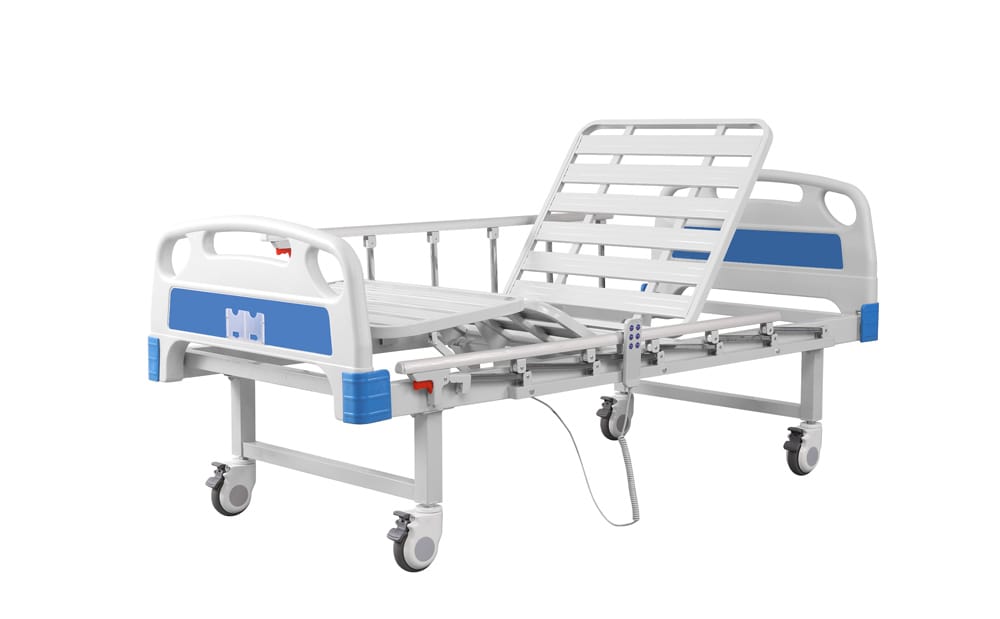
A hospital bed safety checklist gives care teams and procurement managers a repeatable way to turn equipment features into safer daily practice. It is useful before a new installation, during routine room rounds, and whenever a patient’s mobility or care needs change. The goal is not to treat the bed as a stand-alone device. Safe use depends on the bed, mattress, rails, controls, room layout, staff routines, and the individual patient working together.
Table of Contents
Why a hospital bed safety checklist matters
A well-designed hospital bed safety checklist helps teams spot hazards before they become incidents. It also creates a shared language between nursing, facilities, infection prevention, and purchasing. Instead of asking whether a bed is generally safe, the checklist asks practical questions: Is the right mattress installed? Are the brakes secure? Can the patient reach the call system? Do the rails match the patient’s assessed needs?
For a useful starting point, review the World Health Organization’s patient-safety resources alongside your local clinical policies. A hospital bed safety checklist should support clinical judgment, not replace it.
Check mattress and bed compatibility
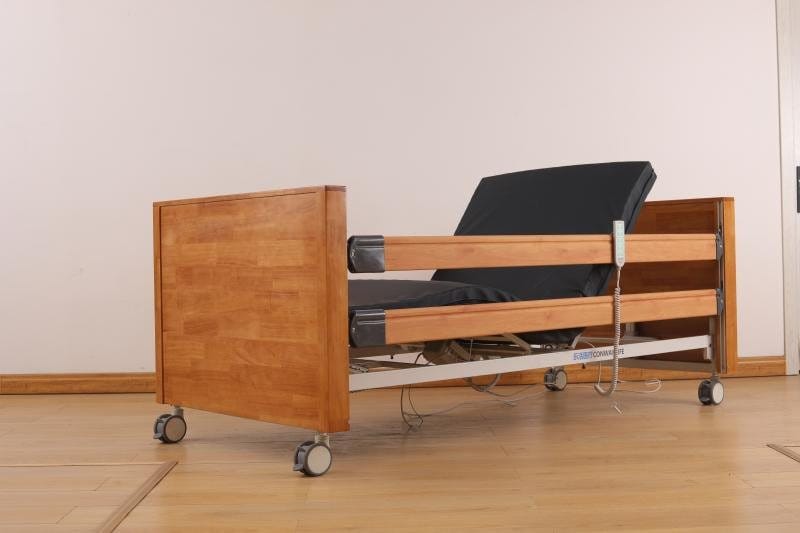
Start every hospital bed safety checklist by confirming that the mattress is intended for the bed frame and that it sits securely on the deck. A mattress that is too narrow, too short, or too thick can create gaps around rails and end panels. It can also affect transfer height, rail coverage, and the way a patient positions near an edge.
Check the manufacturer’s instructions for permitted mattress dimensions, weight limits, and accessories. For more practical selection points, see our guide to hospital bed mattress compatibility. Replace or remove damaged, sagging, or poorly fitted mattresses rather than trying to compensate with loose pads or improvised inserts.
Inspect side rails as part of the sleep surface
Side rails can assist with repositioning and provide a reference point, but they are not automatically appropriate for every patient. Your hospital bed safety checklist should verify that rails move smoothly, lock positively, have no damaged fasteners, and work with the fitted mattress. Look for openings or gaps that could create an entrapment risk, especially after any mattress or accessory change.
The FDA’s medical bed safety information is a useful reference for facilities establishing rail and gap-assessment procedures. Pair the inspection with a patient-specific assessment: some patients may benefit more from a low bed, close observation, floor protection, or assistive transfer support than from raised rails. Read our hospital bed side rails guide when specifying rail configurations.
Test brakes, castors, and transfer stability
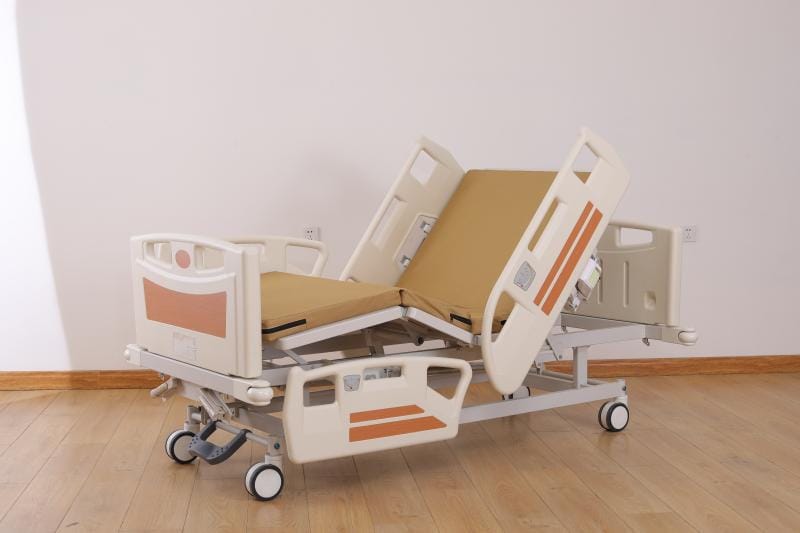
A hospital bed safety checklist should include a brake test before transfers, personal care, and any time the bed has been moved. Engage the braking system and gently test for unwanted motion. Inspect castors for debris, worn treads, loose hardware, or uneven rolling. The bed should not drift when a patient leans, sits at the edge, or is assisted from bed to chair.
Do not assume that one locked wheel is enough if the bed’s design requires a central locking system. Document recurring faults and remove equipment from service according to facility procedure. Our guides to hospital bed casters and the central locking system explain the mechanical points purchasers should clarify before ordering.
Set the bed height for the care task
Bed height is a small setting with a large effect on safety. During hands-on care, the right working height can reduce awkward reaching and support safer staff posture. Before an independent or assisted exit, a lower position may make footing and transfers more manageable when clinically appropriate. Include this decision in the hospital bed safety checklist rather than leaving it to habit.
Before leaving the room, check that the patient can safely reach the call system, water, and personal essentials without overreaching. Keep transfer paths clear and make sure mobility aids are within reach only when the care plan calls for them. The AHRQ fall-prevention toolkit offers broader process ideas for hospital teams.
Check electrical functions and hand controls
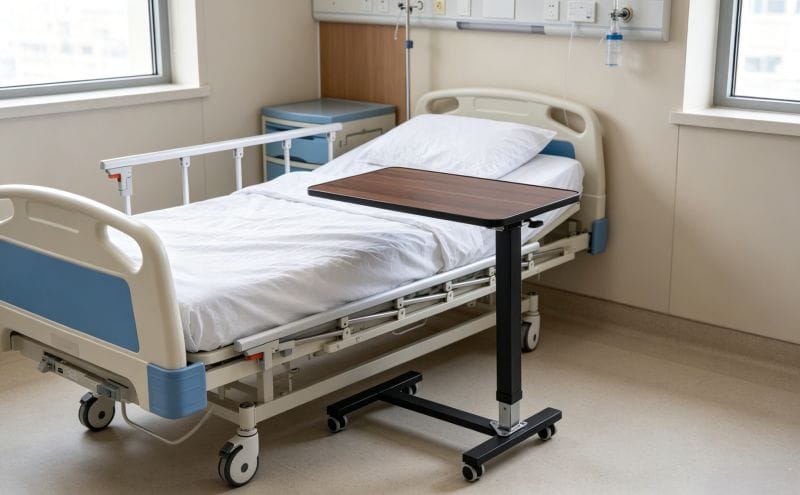
For powered equipment, the hospital bed safety checklist should cover the power cable, plug, actuator movement, hand-control cable, and battery status where fitted. Look for pinching, fraying, exposed wires, unusual noise, delayed movement, or controls that do not respond consistently. Test adjustments with the bed clear of obstructions and confirm that cables do not create a trip hazard or become trapped in moving parts.
Controls should be available to the patient only when their care plan supports independent use. Otherwise, store the handset so it remains accessible to staff but cannot be activated unintentionally. This is particularly important during cleaning, transfers, and procedures. See our electric hospital bed control panel guide for the functions to specify and test.
Keep the surrounding room clear and functional
A hospital bed safety checklist is incomplete without a quick room review. Check that the bed is positioned to allow safe staff access on the required sides, that the path to the bathroom or door is not blocked, and that equipment such as IV stands, oxygen tubing, tables, and chairs cannot interfere with bed movement. Avoid placing furniture where a caregiver must twist, reach over a rail, or work in a narrow gap.
Lighting matters too. Night lighting should allow orientation without creating glare, and emergency access should remain unobstructed. Teams planning multi-bed rooms can use our hospital bed room layout guide to think through circulation and service access before delivery.
Build the checklist into routine maintenance
The strongest hospital bed safety checklist is one that becomes a routine, not a document stored after commissioning. Assign clear ownership for daily checks, scheduled preventive maintenance, cleaning, and defect reporting. Record the bed’s asset ID, test results, corrective actions, and the person responsible for follow-up. That history helps facilities identify patterns before minor faults cause disruption.
| Check area | What to verify | When to check |
|---|---|---|
| Mattress and rails | Correct fit, secure position, no unsafe gaps or damage | At setup and after any change |
| Brakes and castors | Bed remains stable and wheels move correctly when released | Before transfers and during rounds |
| Controls and cables | Functions respond properly; cables are intact and clear | Before use and during maintenance |
| Room environment | Clear access, reachable call system, appropriate lighting | At each patient handover |
Cleaning is also an inspection opportunity. Follow the approved cleaning agents and contact times for the materials used on the bed, mattress, and rails. Our hospital bed cleaning and maintenance guide outlines the operational questions worth including in a maintenance plan. For general workplace safety responsibilities, consult the relevant guidance from your local regulator; for example, the UK Health and Safety Executive health-services guidance provides useful background.
FAQ
How often should a hospital bed safety checklist be completed?
Use it at installation, during routine rounds, after maintenance, and whenever the patient’s mobility or care plan changes.
Can any mattress be used on a hospital bed?
No. The mattress must match the bed’s approved dimensions and rail configuration to avoid unsafe gaps and unstable positioning.
Should side rails always be raised?
No. Rail use should follow an individual clinical assessment and the facility’s safety policy.
What should be checked before a patient transfer?
Confirm that brakes are engaged, the bed height suits the transfer, the route is clear, and required aids are ready.
Who is responsible for reporting a bed fault?
Any team member who identifies a fault should report it promptly through the facility’s established maintenance process.
A practical handover for safer bed use
Use the hospital bed safety checklist at installation, at patient admission or transfer, after maintenance, and whenever the clinical situation changes. Keep it brief enough for real-world use, but specific enough to prompt action. A sound check covers compatibility, rail condition, braking, electrical operation, bed height, room layout, and clear reporting routes.
When sourcing equipment for a new project, share the checklist with the supplier early. It will help you compare bed configurations, mattress interfaces, rail options, and service requirements on the same practical basis. A safer result comes from matching the equipment to the facility workflow and the people who will use it every day.