Table of Contents
A hospital bed sample order should produce an agreed reference for the eventual supply, not merely a bed that looks acceptable during a demonstration. Define the configuration, evaluation questions, document requirements, and approval conditions before the sample is prepared. Then record what the sample actually represents and what remains unresolved.
This matters when a distributor or facility plans to move from one evaluation unit to repeated deliveries. The sample can support practical assessment, but it cannot prove every performance claim or guarantee that later production is identical. A controlled baseline and a clear change process make the evaluation useful beyond the day it takes place.
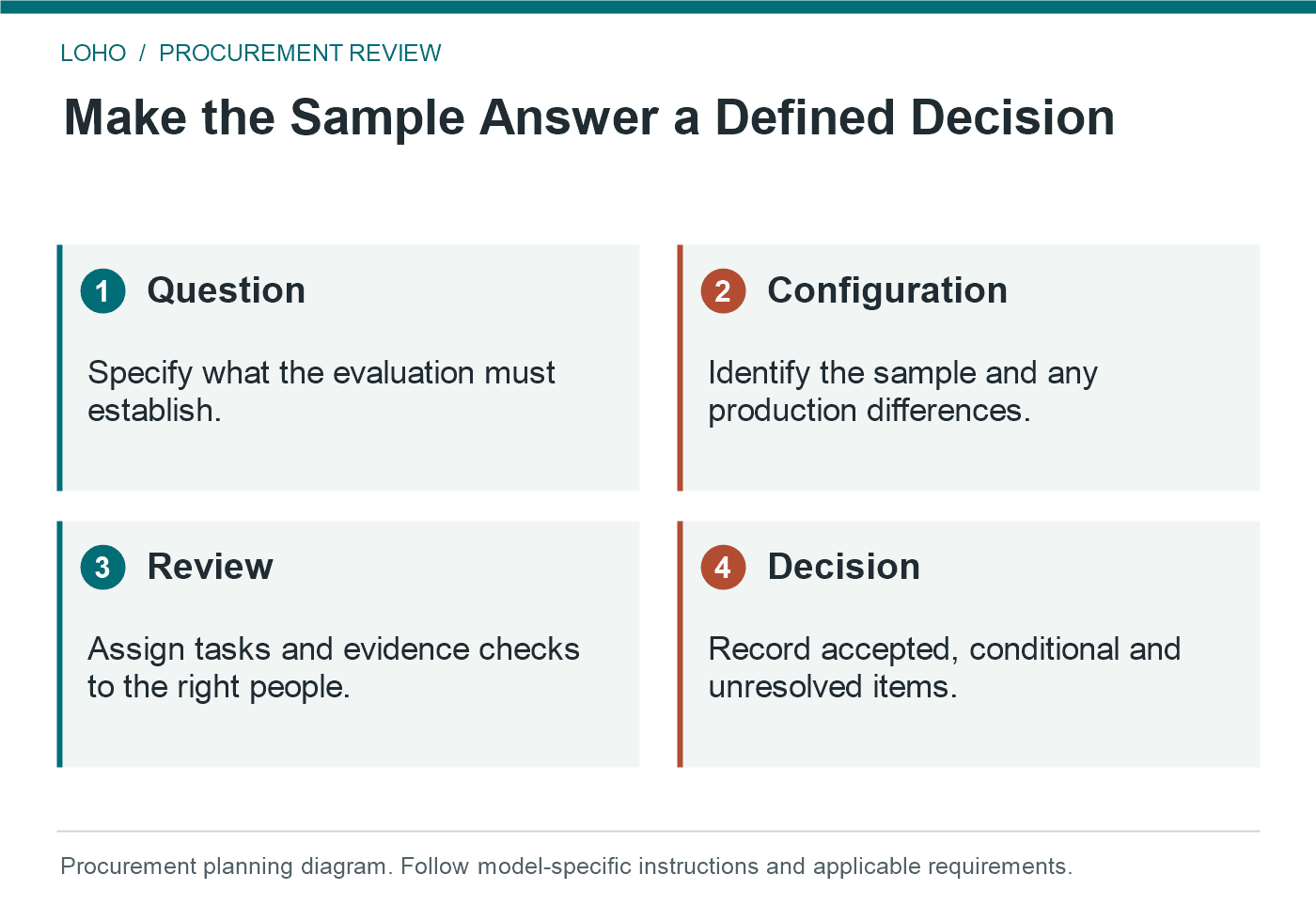
Write The Decision The Sample Must Support
State why the sample is needed. The decision might concern bed-and-room fit, control usability, a particular accessory combination, documentation quality, or suitability for a defined service workflow. Avoid a broad request to send the best model, which leaves both the selection and acceptance criteria uncertain.
Separate questions that can be answered by ordinary observation from those requiring technical evidence or specialist assessment. Staff can review access to controls or room clearance within the instructions. They should not improvise destructive, electrical, or load testing to compensate for missing reports.
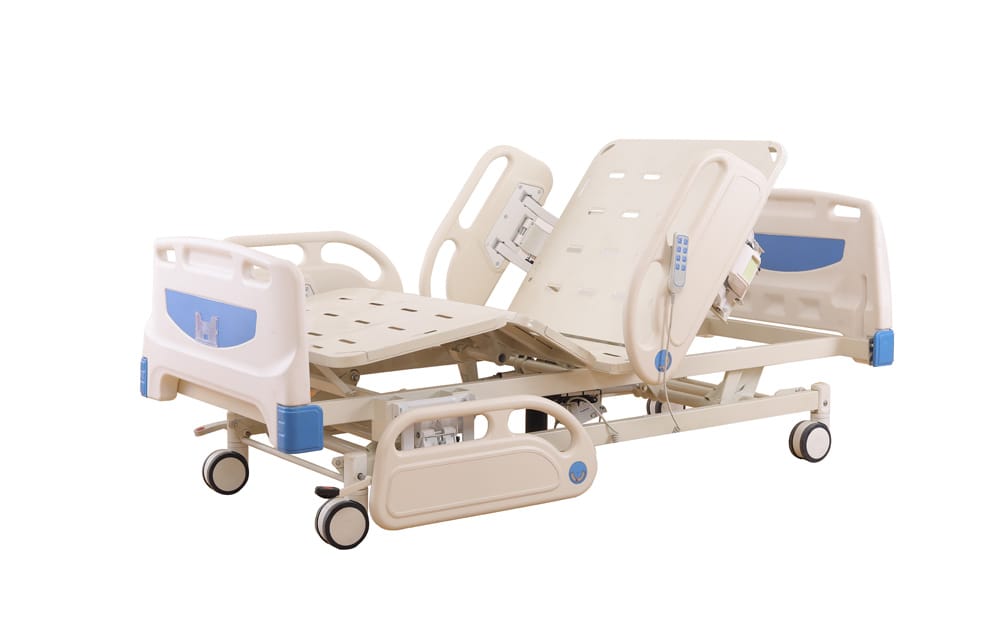
For example, a purchasing team considering LOHO’s three-function electric hospital bed can identify the listed backrest, leg-rest, and height functions as part of the configuration. Any additional option should be confirmed rather than assumed to accompany those functions.
Freeze The Sample Configuration In Writing
The sample description should identify the bed model, power arrangement, controls, mattress, rails, casters, accessories, labels, and required document language. Include drawings or photographs where they resolve ambiguity, but do not use images as a substitute for written identification of important parts.
If a specification is not yet final, mark it as provisional and explain how it will be decided. That is better than allowing a temporary sample component to become the unspoken basis for production. Both buyer and supplier should know which elements are being evaluated and which are already fixed.
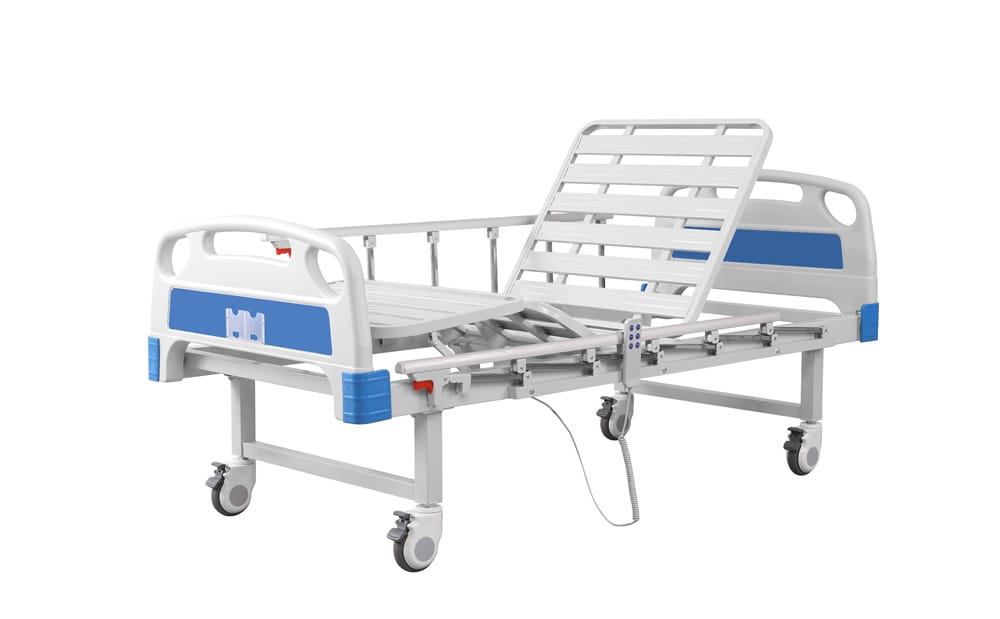
The LOHO electric hospital bed range includes different configurations. Keep the sample request tied to one defined version. A positive experience with one bed does not approve another model simply because the products share a similar appearance or function count.
Establish Whether The Unit Represents Production
Ask whether the sample is a standard production unit, a pre-production unit, or a specially assembled configuration. Request a list of differences from the intended production supply. Differences are not automatically unacceptable, but they must be visible to the people making the decision.
A sample with temporary labels or a substituted component may still answer a narrow fit question. It cannot close an acceptance item that depends on the final label or component. Record the limitation and require the relevant confirmation before that item is approved.
The ISO information on medical-device quality management under ISO 13485 provides context for controlled processes. It does not prove that a particular sample is production-equivalent or that LOHO holds a specific certificate. Those facts require order-specific evidence and verification.
Match Reviewers To The Evaluation Questions
Invite the people who understand the intended tasks: nursing or care staff for routine operation, technical staff for equipment requirements, cleaning staff for access and procedures, and procurement for specification control. Not every participant needs to review every document, but responsibilities should be explicit.
The FDA’s human factors guidance connects users, tasks, and environments. For a buyer’s sample evaluation, this supports involving representative staff and using realistic, permitted workflows. It does not make an informal local trial a regulatory validation study.
Record observations in factual terms. A note that a control was difficult to reach in a defined bed position is more useful than a general statement that the design felt wrong. Include the setting, task, and instruction followed so the supplier can understand and respond to the issue.
Use An Acceptance Matrix With Open Items
| Evaluation area | What can be reviewed | Evidence or action needed before closure |
|---|---|---|
| Configuration | Sample identity against the agreed list | Explanation and approval of any substitutions |
| Room fit | Clearance through permitted bed positions | Record of room and accessory arrangement |
| User operation | Instructions followed during defined tasks | Resolution of unclear controls or procedures |
| Mattress and rails | Supplied combination and documentation | Appropriate system compatibility assessment |
| Cleaning | Access and compatibility with local procedure | Manufacturer instructions and local approval |
| Technical claims | Availability and scope of supporting documents | Competent review, not an improvised demonstration |
| Production reference | Final agreed specification | Signed change record and revision identity |
Assign each item a status such as accepted, conditional, or unresolved, with a named owner and required action. A conditional sample approval should state exactly what remains to be supplied or changed. Avoid an overall pass that hides a significant open issue.
If a requirement changes during evaluation, revise the matrix rather than adding an undocumented verbal request. Otherwise the supplier may prepare production against the original specification while the buyer expects the version discussed beside the sample.
Review The Bed As A Complete System
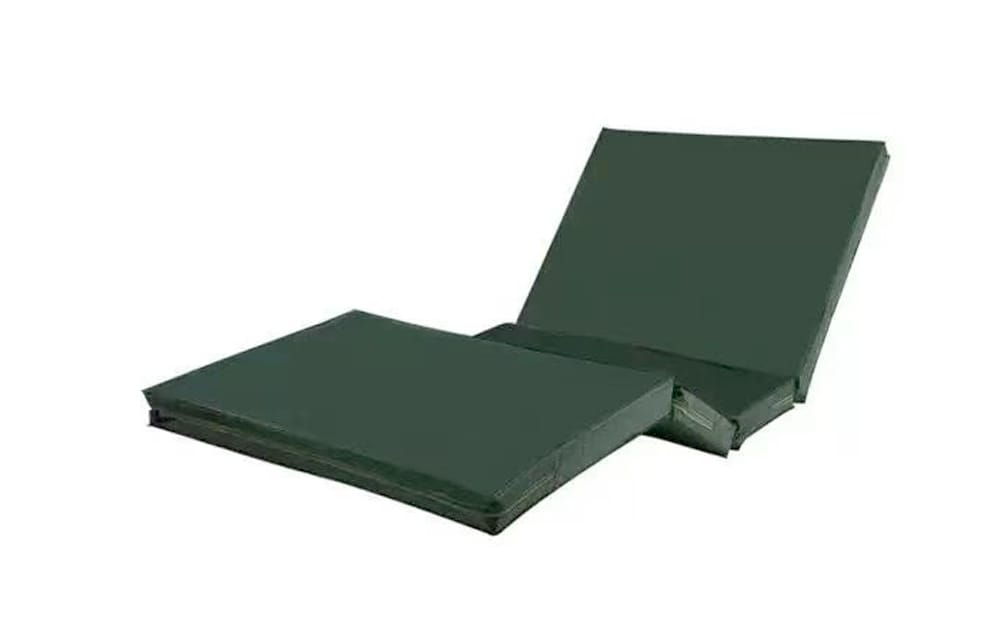
Evaluate the intended mattress, rails, and accessories together rather than approving each only in isolation. Ask the manufacturer for the supported combination and relevant instructions. A component that appears to fit may still require a compatibility assessment for the actual bed system.
The FDA’s hospital-bed system and entrapment guidance is relevant to this combined review. The procurement task is to obtain and assess appropriate evidence, not to declare compliance from a quick visual check.
Keep photographs of the evaluated arrangement where permitted, including accessory positions that matter to the decision. If the production order changes the mattress thickness, rail, or another relevant part, return to the affected acceptance items. Do not treat the original sample sign-off as unlimited permission to substitute components.
Keep Sample Changes Traceable
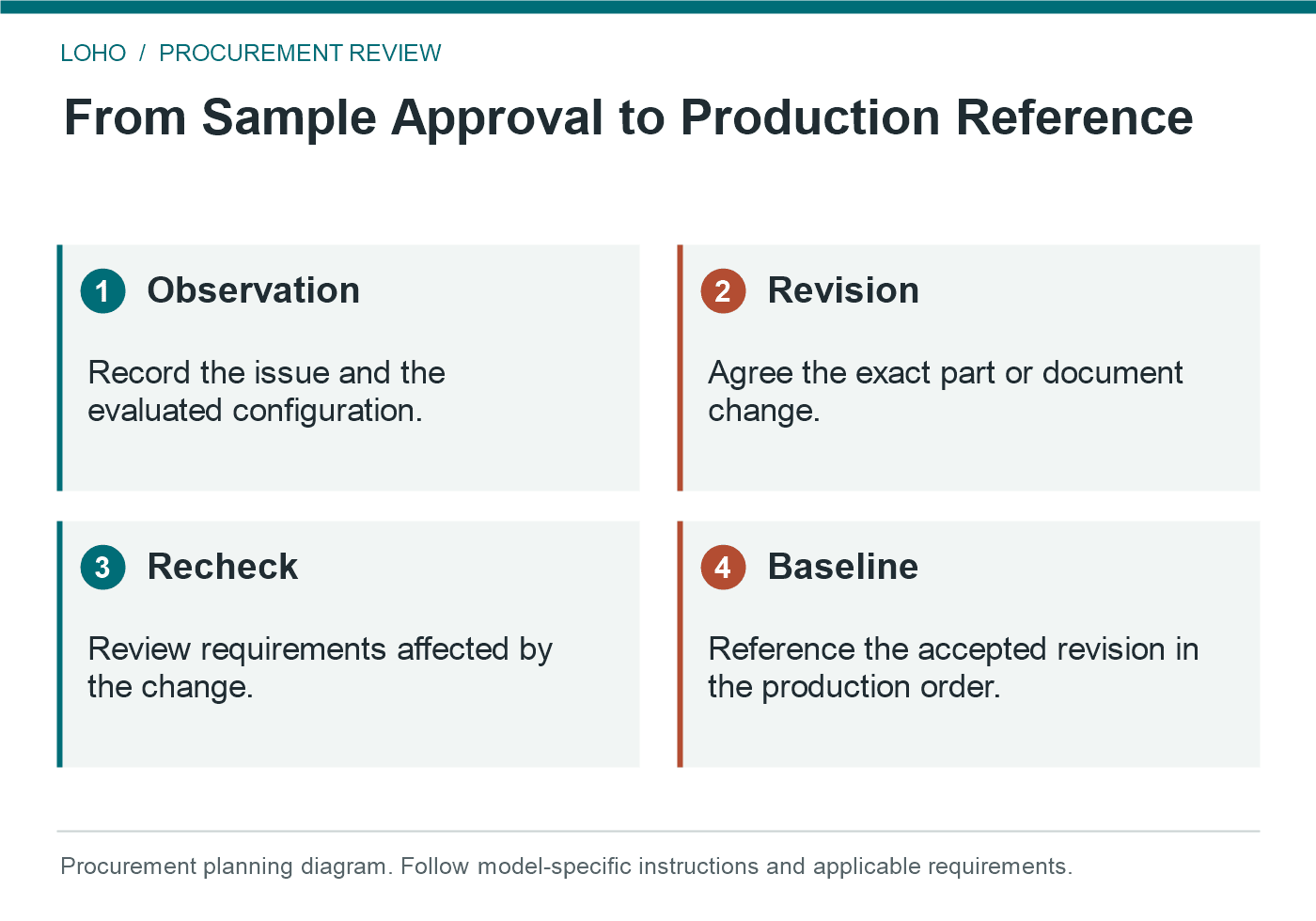
When the supplier proposes a correction, identify the changed part or document and the reason for it. Decide which checks need repeating. A revised instruction may resolve a wording problem, while a physical change may affect several tasks or evidence requirements.
Use a simple revision record connecting the original observation, agreed action, revised configuration, and final decision. Store the accepted drawings and documents together so the production reference is not scattered across different chat messages. The latest file should be clearly identifiable without relying on its download date.
The MHRA guide to managing medical devices covers the equipment lifecycle, including acquisition and subsequent support. For this sample process, the practical lesson is to preserve information that receiving, maintenance, and clinical teams will need after purchasing is complete.
Turn Approval Into An Orderable Baseline
After evaluation, issue an agreed configuration record with its revision, approved documents, accepted limitations, and any remaining conditions. Confirm that the production quotation refers to that record. The reference should be specific enough that both parties can identify a deviation without reopening the entire discussion.
Agree how proposed substitutions will be communicated before they are made. Ask which changes require buyer review and what supporting information will accompany them. Do not assume that a generic promise to supply the same quality prevents changes to parts, materials, instructions, or packaging.
Discuss model-specific support through LOHO’s service page, including how the sample and later units will be identified for parts or documentation. Confirm the applicable terms in writing. A sample purchase does not establish an unspoken warranty, production lead time, or customisation commitment.
Before closing the evaluation, ask receiving staff to identify the approved model and configuration using only the documents that will accompany production. If they need to consult an informal message or remember a conversation, the baseline is not yet sufficiently clear. Resolve that gap while the sample is still available. A usable reference should support an ordinary delivery check by someone who was not present at the original demonstration.
Conclusion
The useful outcome of a sample order is a clear production reference with resolved questions and visible limitations. Define what the sample is meant to prove, involve the right reviewers, and preserve the agreed configuration through the final order.
Send LOHO the intended care setting, destination, and sample evaluation requirements to discuss a suitable configuration. Include the decision criteria early so the sample can answer real procurement questions rather than serve only as a showroom demonstration.
FAQ
Can a sample be approved with outstanding documents?
Only as a clearly defined conditional decision within the buyer's process. Necessary unresolved evidence must be closed before the affected purchase or use is authorised.
Does sample approval replace production inspection?
No. It establishes an agreed reference and answers defined evaluation questions. Later supply still needs appropriate checks against the order and applicable requirements.
Should every proposed change require a new physical sample?
Not necessarily. Assess the change and affected requirements. Some issues can be resolved through reviewed documentation; others may require renewed physical evaluation or additional evidence.
Is a demonstration unit automatically representative of production?
No. Ask how it differs from the intended supply and record those differences. Close only the acceptance items that the actual sample can support.
What is the most useful document after sample approval?
A controlled configuration and approval record that connects the accepted sample, specification, evidence, and agreed changes. It should be referenced by the production order and accessible to receiving staff.