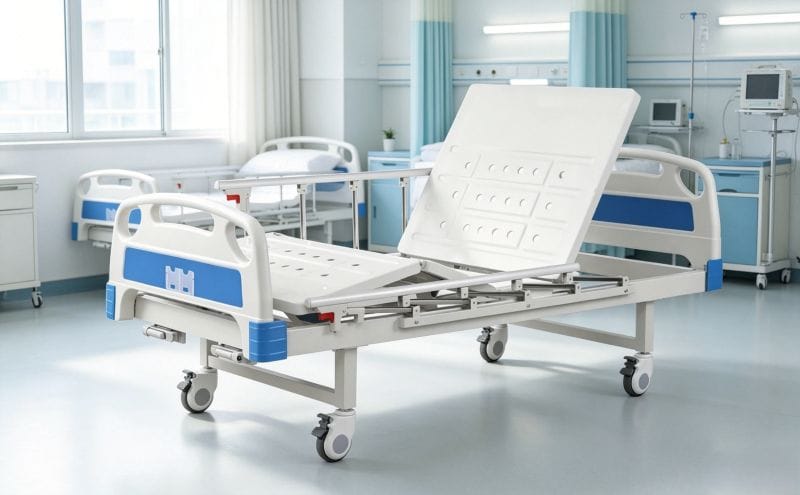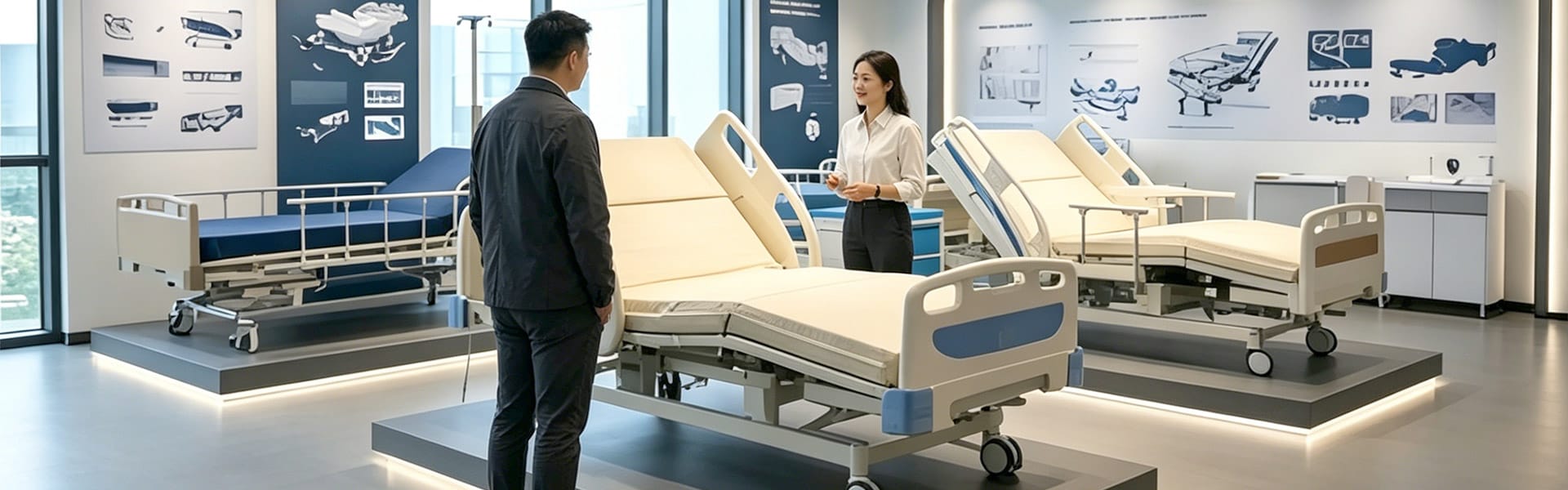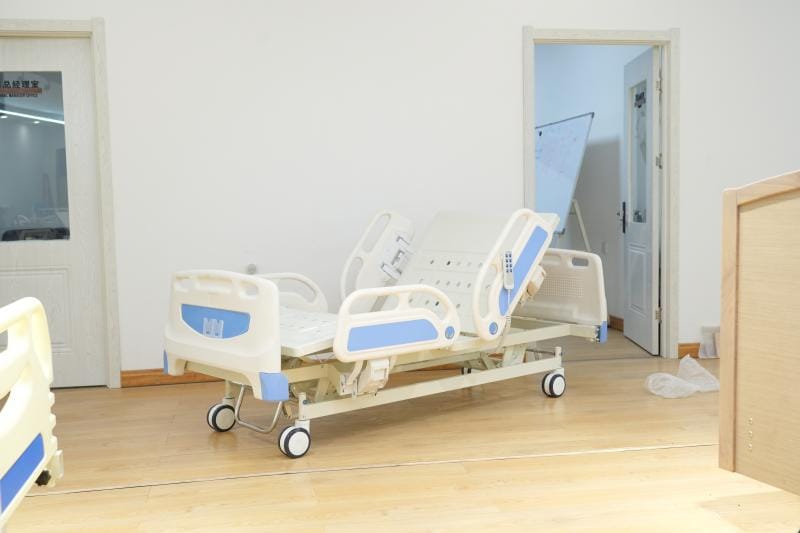
Manual Hospital Bed Crank System decisions affect patient comfort, caregiver workflow, delivery planning, and after-sales support. For hospitals, nursing homes, rehabilitation centers, and medical equipment distributors, the right choice is not only about one visible feature; it is about whether the full configuration can work reliably in a real care environment.
This Manual Hospital Bed Crank System guide explains the practical checks buyers should make before requesting a quotation, approving a specification, or building a repeat-order product line with LOHO.
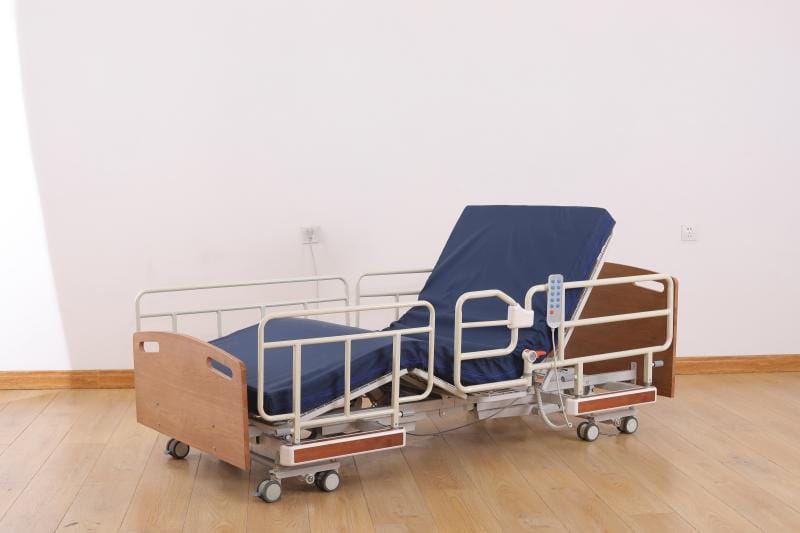
Why Manual Hospital Bed Crank System Matters in B2B Procurement
A Manual Hospital Bed Crank System purchase usually involves several teams: procurement, nursing, maintenance, finance, and sometimes local distributors. Each team sees risk differently. Procurement wants clear pricing, caregivers want safe daily operation, and service teams want parts that can be identified and replaced without confusion.
Good evaluation starts by connecting the Manual Hospital Bed Crank System specification to the care setting, expected user profile, room layout, cleaning process, and maintenance plan.
Define the Care Setting Before Comparing Models
The same Manual Hospital Bed Crank System may perform differently in a hospital ward, nursing home, rehabilitation room, or home care project. Buyers should confirm patient mobility, caregiver staffing, transfer frequency, and whether the equipment will be moved often.
Questions to clarify early
Ask who will operate the equipment, how often adjustments are needed, what accessories are required, and whether the destination market has documentation or labeling expectations.
Match Functions to Daily Workflow
Function lists can look similar on paper, but practical value depends on how the Manual Hospital Bed Crank System supports real care tasks. Backrest adjustment, height adjustment, leg positioning, side rail operation, braking, and accessory mounting should be checked against daily use rather than treated as isolated specifications.
For distributors, this step also helps sales teams explain why one configuration is suitable for basic care while another supports more demanding patient handling.

Review Materials, Structure, and Cleaning Needs
A durable Manual Hospital Bed Crank System should be reviewed for frame stability, surface finish, panel material, easy-clean areas, and parts exposed to frequent contact. Buyers should ask how the product is cleaned, which areas collect dust, and how the structure handles repeated movement.
This is especially important for facilities where equipment is used by different caregivers across shifts and must remain presentable after routine cleaning.
Check Safety Details and User Protection
Safety is not one feature. A Manual Hospital Bed Crank System should be assessed through side rail fit, caster locking, control accessibility, stable positioning, smooth movement, and clear operation guidance. Buyers should also verify whether users can understand the controls without unnecessary training.
When a project involves elderly care or rehabilitation, small safety details can reduce avoidable service complaints and improve caregiver confidence.
Plan Accessories, Mattress, and Room Furniture Together
A Manual Hospital Bed Crank System rarely works alone. Mattresses, overbed tables, bedside cabinets, IV poles, dining boards, side rails, and spare parts may all affect the final user experience. Missing accessories can delay installation or force the buyer to source mismatched items later.
Relevant LOHO categories for comparison include manual hospital beds, contact LOHO, LOHO services. These internal references help buyers build a complete configuration instead of treating the Manual Hospital Bed Crank System as a single catalog item.
Evaluate Supplier Support and Repeat-Order Stability
For B2B buyers, supplier support matters as much as the initial Manual Hospital Bed Crank System quotation. Ask whether model names, specifications, photos, packing lists, manuals, and part references remain stable across repeat orders.
OEM buyers should separate branding requests from engineering changes. Simple logo or documentation changes may be straightforward, while structural changes require technical review and realistic lead-time discussion.
Comparison Table for Manual Hospital Bed Crank System Buyers
| Evaluation Area | What to Check | Why It Matters |
|---|---|---|
| Care setting | Hospital, nursing home, rehabilitation, or home care use | Prevents choosing an unsuitable Manual Hospital Bed Crank System |
| Core functions | Adjustment range, control method, movement, and locking | Matches the product to daily caregiver workflow |
| Accessories | Mattress, rails, table, cabinet, IV pole, and spare parts | Creates a complete order instead of a partial solution |
| Documentation | Specification sheet, manual, packing list, and part references | Supports sales, installation, training, and repeat orders |
| Supplier support | Communication, customization review, and after-sales planning | Reduces project risk after the first shipment |
Prepare a Clear Quote Request
A useful Manual Hospital Bed Crank System inquiry should include quantity, destination market, care setting, required functions, accessory expectations, packaging needs, documentation language, and any OEM branding requirements. Clear input helps LOHO recommend a configuration that fits the project rather than sending a generic price list.
Buyers should also ask which items are standard, which are optional, and which details need confirmation before production.
Common Mistakes to Avoid
Many Manual Hospital Bed Crank System problems come from small mismatches: unclear mattress size, wrong accessory assumptions, insufficient room clearance, missing spare parts, or undocumented customization requests. These issues are easier to prevent before order approval than to correct after delivery.
Distributors should keep a written configuration record so future repeat orders use the same product definition, accessory package, and service references.
FAQs About Manual Hospital Bed Crank System
What should buyers confirm before ordering a Manual Hospital Bed Crank System?
Buyers should confirm the care setting, quantity, required functions, accessory package, room limitations, documentation needs, and destination market before ordering a Manual Hospital Bed Crank System.
Is a Manual Hospital Bed Crank System suitable for every healthcare facility?
No. A Manual Hospital Bed Crank System should be matched to patient condition, caregiver workflow, room layout, and maintenance capacity. One configuration may not fit every project.
Should distributors request spare parts with a Manual Hospital Bed Crank System order?
Yes. Distributors should discuss common spare parts, part codes, and service documentation so local support is easier after delivery.
Can LOHO support OEM requirements for a Manual Hospital Bed Crank System?
LOHO can discuss OEM needs such as branding, documentation, and configuration review. Functional changes should be confirmed through technical evaluation before production.
How can buyers get a suitable Manual Hospital Bed Crank System quotation?
Send LOHO the target market, quantity, care environment, required functions, accessory expectations, and shipping requirements so the quotation reflects real project needs.
Discuss Your Manual Hospital Bed Crank System Project With LOHO
If you are comparing Manual Hospital Bed Crank System options for a hospital, nursing home, rehabilitation center, distributor catalog, or home care project, share your target market, quantity, required functions, and accessory list with LOHO. The team can help review the configuration, documentation, and quote details before you place an order.
Contact LOHO to request a practical Manual Hospital Bed Crank System recommendation for your next procurement project.