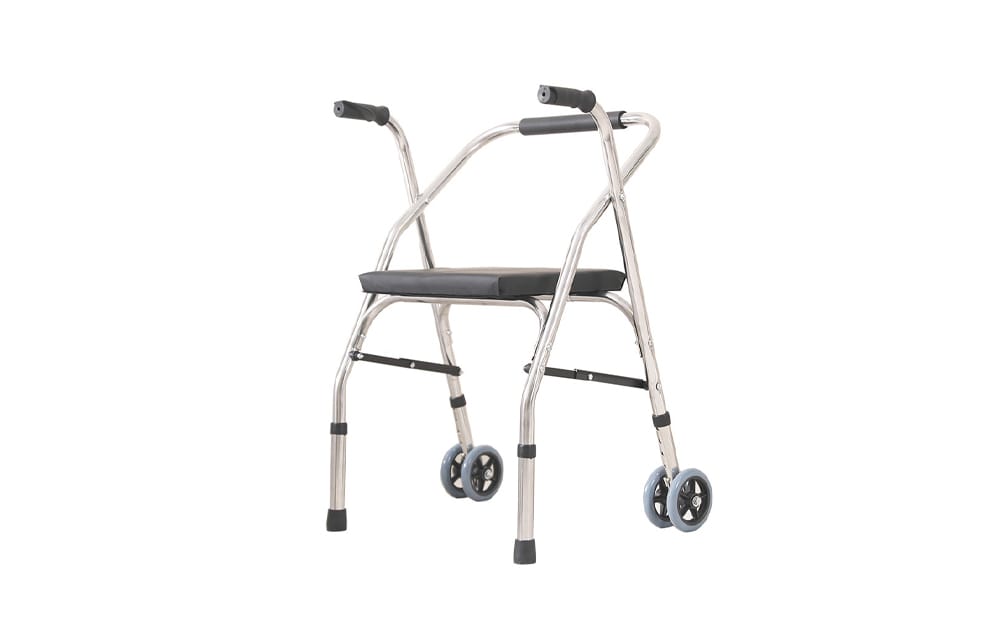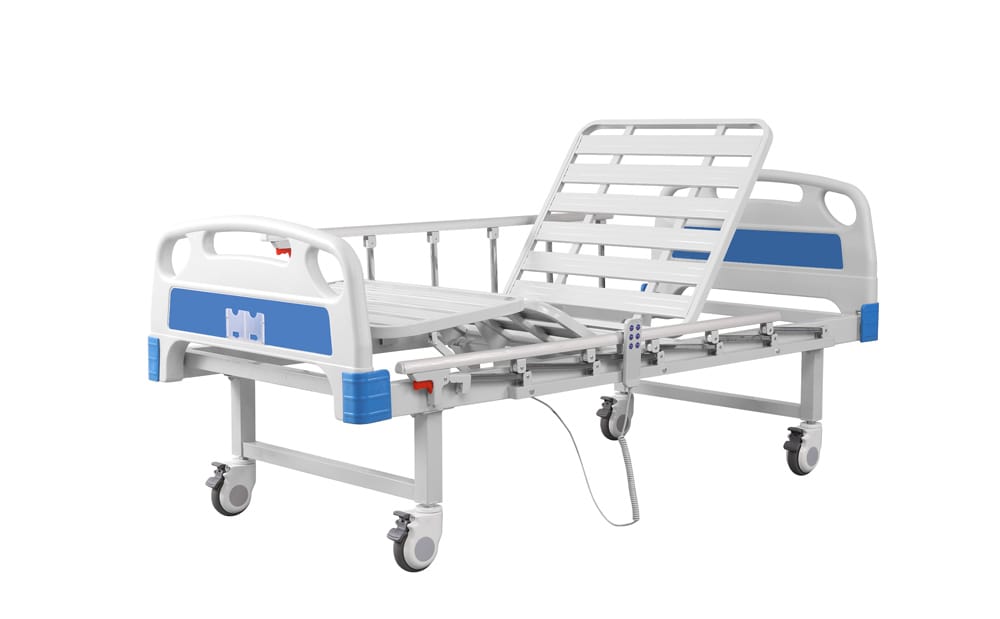
Medical Bed Dealer Onboarding is not a box-ticking exercise for a care facility. It is a structured decision about product knowledge, service readiness, and market preparation. For medical equipment distributors, sales leads, and service teams, the useful question is not which brochure looks most complete; it is whether the proposed bed, documentation, and service plan will work in the setting where the equipment is actually used.
Start With The Care Setting, Not The Catalogue
Before comparing products, document the patient group, intended care setting, room constraints, and daily tasks. Medical Bed Dealer Onboarding is easier to manage when the project team agrees on the operating context before it requests quotations. Acute-care, rehabilitation, long-term care, and home-care distribution projects can all need different priorities even when the bed frame looks similar.
A practical brief should name the people who will use, move, clean, inspect, and maintain the bed. This gives Medical Bed Dealer Onboarding a real operational basis and helps suppliers answer with a configuration rather than a generic product list.
Turn Workflow Into A Written Requirement
Good Medical Bed Dealer Onboarding begins with a short requirement sheet. Include the preferred bed functions, safe-working-load expectations, mattress interface, side-rail approach, mobility needs, electrical considerations, accessories, and any room-access limits. Separate mandatory requirements from preferences so that alternatives can be assessed fairly.
Do not leave critical details to a verbal discussion. A written requirement helps the buyer compare like with like and makes Medical Bed Dealer Onboarding more defensible when stakeholders ask why a particular option was chosen.
Involve The People Who Will Live With The Decision
Procurement should lead the process, but it should not work in isolation. Nursing staff can identify transfer, positioning, and cleaning issues; maintenance teams can flag access and service concerns; and project teams can test delivery routes and room fit. That cross-functional review prevents Medical Bed Dealer Onboarding from becoming an administrative exercise detached from daily use.
Evaluate The Proposed Configuration In Context
Ask suppliers to explain what is included as standard, what changes the configuration, and what needs a separate decision. Medical Bed Dealer Onboarding should cover the bed, compatible accessories, controls, rails, mattress interface, packaging, and handover documents. If a feature matters to the workflow, it should appear in the approved specification rather than only in a conversation.
Where possible, review a detailed drawing, sample, or demonstration. This is especially useful when the project has limited space, special cleaning routines, frequent transfers, or a mixed fleet of equipment.
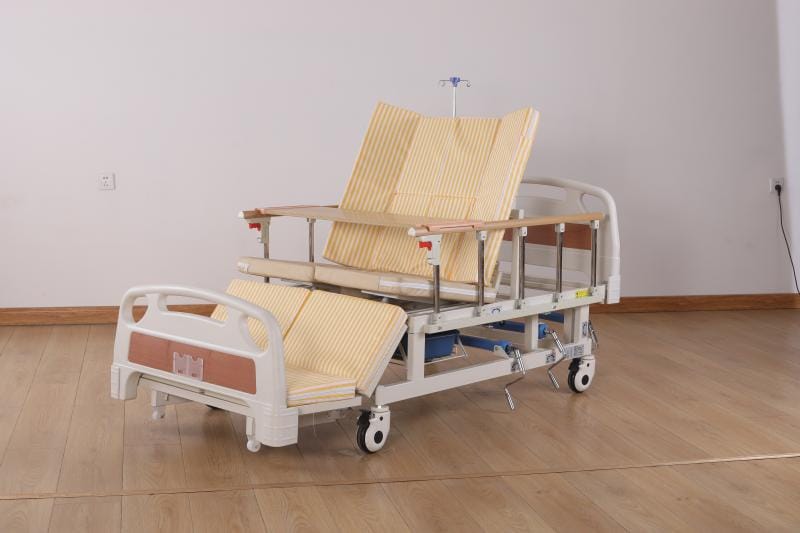
Use A Comparison Table That Supports A Buying Decision
The table below is a simple way to structure Medical Bed Dealer Onboarding. It keeps the review focused on evidence and operating fit instead of headline claims.
| Decision area | What to define | Evidence to request |
|---|---|---|
| Care workflow | Who uses the bed and how | Configuration notes and drawings |
| Delivery scope | What arrives with each unit | Approved quotation and packing list |
| Service readiness | Parts and escalation process | Written warranty and contact route |
| Acceptance | How handover is checked | Inspection record and user guidance |
Check The Delivery And Handover Scope
Delivery is more than transport to a site. Medical Bed Dealer Onboarding should clarify unloading assumptions, packaging, assembly responsibility, receiving checks, installation support, and the documents supplied with each shipment. For phased projects, agree how changes, partial deliveries, and substitutions will be communicated.
At handover, record what has been received and whether the configuration matches the approved order. This creates a usable reference for future maintenance, warranty questions, and repeat orders.
Plan For Cleaning, Inspection, And Service
The right plan for Medical Bed Dealer Onboarding includes the period after delivery. Ask for cleaning guidance, inspection points, permitted replacement parts, and a clear route for technical questions. Facility teams should know what checks they can perform internally and when equipment should be referred to qualified service personnel.
This is also where the total operational impact becomes visible. A slightly different configuration may be preferable if it is clearer to inspect, easier to keep in service, or better supported in the destination market.
Review Supplier Documentation Before Approval
For Medical Bed Dealer Onboarding, request the documents that will be useful at receiving and throughout the product life: the approved specification, quotation, user guidance, packing information, warranty terms, and service contact details. The exact documentation needed depends on the market and project, so buyers should confirm local requirements rather than assume that one document set works everywhere.
Avoid treating a general brochure as proof of the final configuration. The buying record should show the specific model, options, and responsibilities agreed for the project.
Build Links Into The Buying Decision
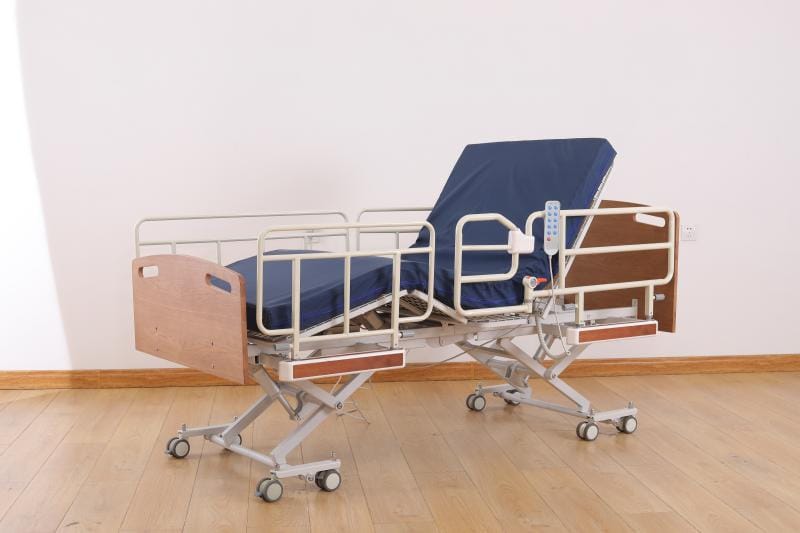
Product details can help the team compare likely configurations. Review the 5 Function Electric Hospital Bed, the Manual 2 Crank Patient Hospital Bed, and the customizable hospital bed side rails alongside the project brief. For broader planning, see our hospital bed manufacturer guide.
Use Authoritative References For Safety And Standards Questions
External material can support a review, but it does not replace the buyer’s own project requirements. For general context, consult WHO patient safety resources, FDA hospital-bed information, relevant ISO standard information, and the hospital bed overview. Confirm applicable legal and technical obligations in the destination market with qualified local advisers.
A Practical Review Sequence
A disciplined sequence makes Medical Bed Dealer Onboarding easier to manage: define the care setting; write requirements; collect comparable responses; review configuration evidence; clarify delivery and service; and record acceptance criteria. Each step reduces the risk that essential details are discovered only after the order is placed.
Use the same sequence for repeat purchases. It creates a stronger record, helps new team members understand earlier choices, and lets the organisation improve Medical Bed Dealer Onboarding without reinventing the process for every project.
FAQ
What should buyers define first?
Start with the care environment, patient needs, available space, and the people responsible for daily use and maintenance.
Should a brochure be used as the final specification?
No. Use it as background information, then confirm the actual model, options, and delivery scope in the approved quotation.
Who should review the proposed bed?
Include procurement, end users, maintenance, and relevant project or safety stakeholders.
When is a sample or drawing useful?
It is useful when room space, accessories, transfers, or operating procedures create project-specific requirements.
What should be retained after handover?
Keep the approved specification, order record, manuals, inspection notes, warranty information, and service contacts.