Table of Contents
The most useful hospital bed warranty questions concern what is covered, when coverage begins, what evidence a claim requires, and who handles each step after a problem is reported. A duration on a quotation does not answer those questions. Ask for the terms applying to the exact bed, supplied components, destination, and purchasing arrangement before placing the order.
This guide is a procurement review framework, not a statement of LOHO's warranty terms or a legal interpretation of a contract. Product-specific coverage and any statutory obligations must be confirmed through the appropriate supplier and destination-specific review. No universal warranty period, replacement entitlement, or response time should be inferred from the article.
What Does The Quoted Coverage Actually Include?
Separate the complete bed from its constituent parts. The frame, electrical components, handset, casters, rails, mattress, and optional accessories may not all be described in the same way in the terms. Request a component-level explanation where the quotation uses a broad phrase such as bed warranty.
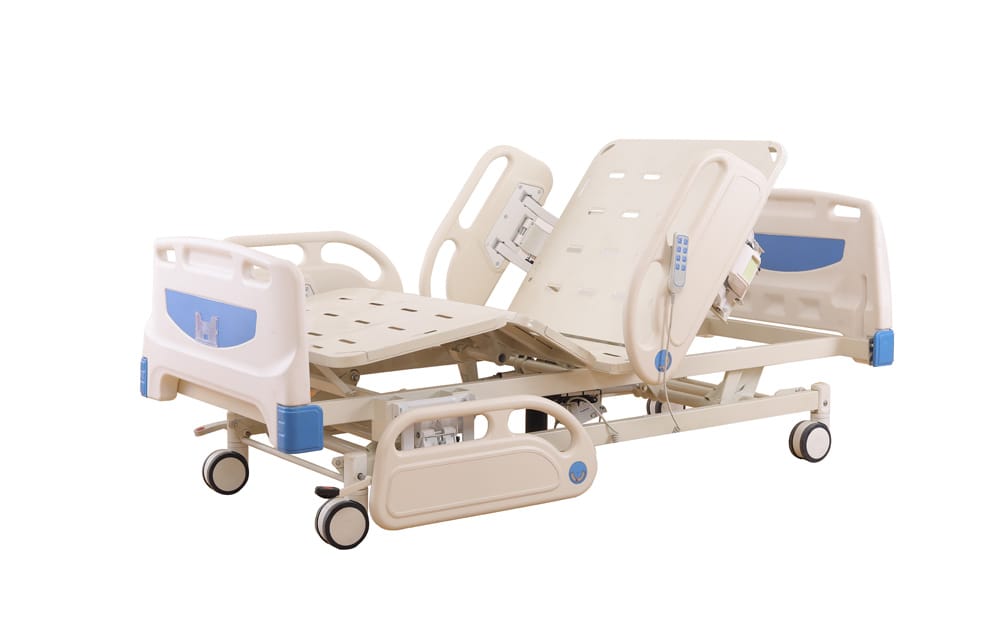
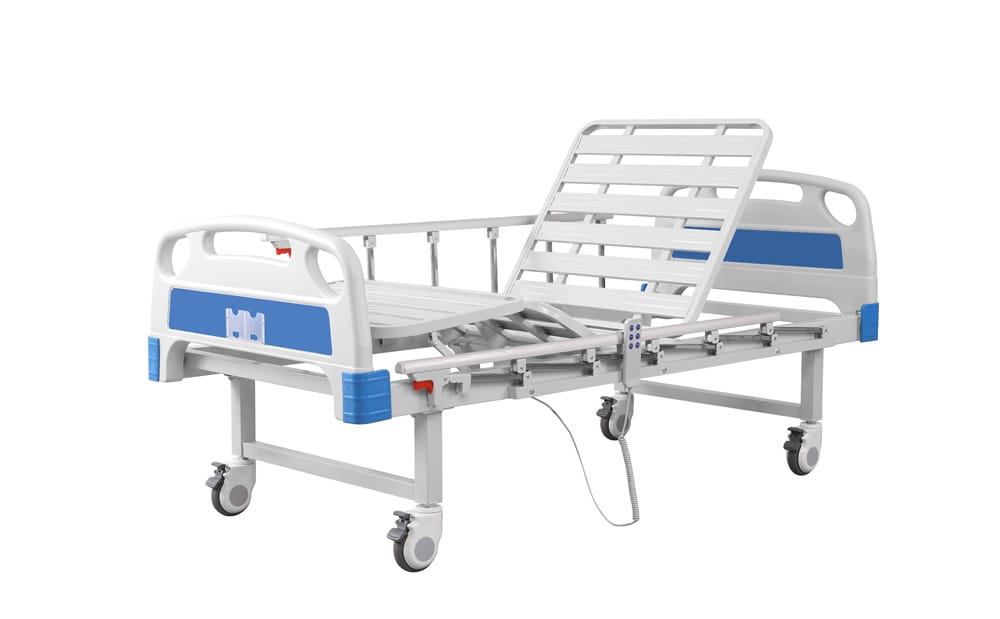
LOHO's three-function electric hospital bed is listed with electrical backrest, leg-rest, and height adjustment, alongside a mattress and other bed components. That configuration illustrates why a buyer should identify the supplied items before reviewing coverage. The product description itself does not establish the remedy for every possible failure.
Ask whether coverage concerns manufacturing defects, supplied parts, technical assessment, or other defined obligations. Keep the supplier's actual wording available to the purchasing reviewer. Replacing several distinct conditions with the phrase fully covered makes later administration less reliable, even when the original terms were clear.
When Does The Period Begin For Each Delivery?
The parties should identify the event that starts the agreed coverage: for example, an expressly defined shipment, delivery, or acceptance event. Do not choose one of these on the supplier's behalf. Ask which record demonstrates the start date and how it is associated with individual units or batches.
For phased deliveries, clarify whether each shipment is handled separately and how delayed installation is treated under the actual agreement. A single project completion date may not be the relevant reference for every bed. This is particularly important when a distributor receives equipment before allocating it to a facility.
The WHO's procurement process resource guide supports clear and accountable health-technology procurement. In practical terms, retain the agreed terms with the order and delivery records. A later team member should not need to reconstruct the coverage basis from an informal conversation.
Which Conditions Need Clarification Before Approval?
Ask about installation, permitted use, maintenance, storage, cleaning, and approved replacement parts wherever those matters appear in the terms. The aim is to understand the conditions, not to assume that every reported problem falls outside coverage. Request clarification of ambiguous wording before it becomes part of a disputed claim.
If the facility intends to use a particular disinfectant or accessory, check product compatibility as well as the commercial terms. An agreed warranty does not authorise a method that conflicts with the manufacturer instructions. Conversely, a general website description should not be treated as a detailed maintenance obligation that the supplier has never specified.
For an import or distribution arrangement, have the responsible commercial and legal reviewers consider the destination and contract. This guide cannot determine which terms are enforceable or whether local rights apply. Keep that review separate from the technical question of whether the bed can be used safely.
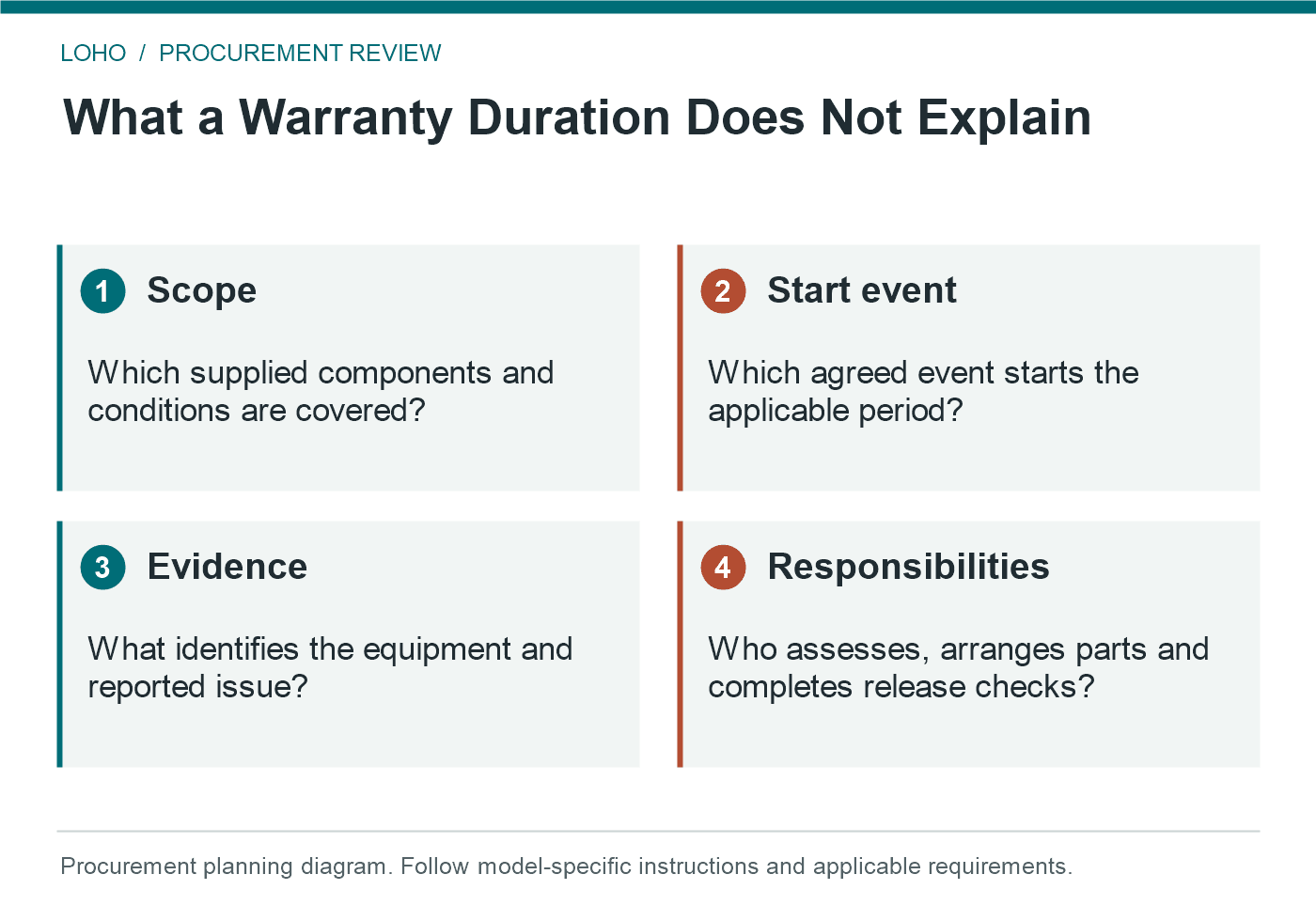
Compare Responses In A Coverage Matrix
| Question | Written information to request | Record to keep |
|---|---|---|
| Which equipment is included? | Bed configuration and covered components | Accepted quotation and supplied-item list |
| When does coverage begin? | Agreed triggering event and relevant exceptions | Shipment or delivery evidence linked to units |
| What conditions apply? | Installation, use, maintenance, and other stated terms | Applicable instructions and agreed clarifications |
| How is a claim assessed? | Required identifiers, observations, and review route | Case reference and submitted evidence |
| What remedy is available? | The agreement's actual repair or replacement provisions | Written disposition for the particular case |
| Who handles logistics? | Responsibilities for packing, returns, and dispatch | Authorised instructions and tracking references |
| What happens after intervention? | Required checks and revised records | Service and release documentation |
Compare the substance of answers, not the number of pages supplied. A short, specific schedule can be easier to administer than a long document that does not identify the equipment. Any inconsistency between the quotation and supporting terms should be resolved in the accepted order record.
Where information remains unavailable, describe the gap directly in the approval process. Do not fill an empty matrix cell with a practice used by a previous supplier. A familiar industry arrangement is still not evidence of the agreement for the current purchase.
What Evidence Will The Service Team Need?
Prepare for a factual description of the problem: model, available serial or batch identification, affected component, observed behaviour, and when the issue was noticed. Include relevant photographs or a safe recording only where appropriate. Do not reproduce a dangerous condition simply to make a more convincing claim video.
Keep maintenance and repair records organised so they can be retrieved when relevant. The MHRA's Managing Medical Devices guidance addresses management across the equipment lifecycle. For warranty administration, an equipment history helps distinguish what is known from what still requires investigation; it does not determine the outcome of a claim by itself.
Avoid sending patient names, faces, or clinical records when equipment information is sufficient. The supplier normally needs to identify the product and understand the observation, not receive a patient's private history. Use the facility's approved communication process if an incident investigation requires sensitive information.
Who Arranges Assessment, Parts, And Return Handling?
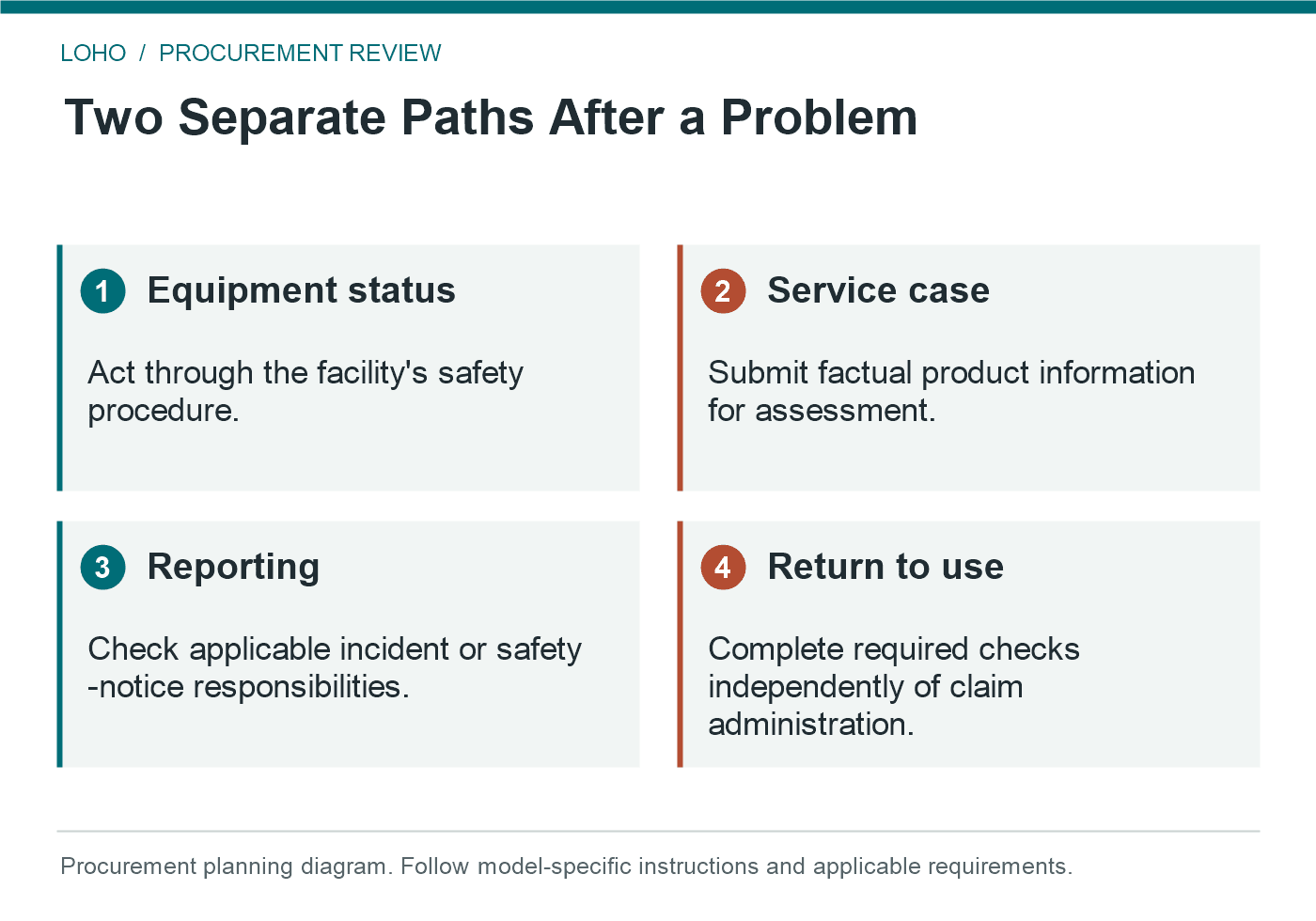
A replacement-part offer can leave important practical questions unanswered. Confirm who identifies the approved part, who is permitted to install it, which instructions accompany it, and what checks are required afterward. The arrival of a parcel is not the same as authorisation to return the bed to use.
If a component or complete unit must be returned, obtain the agreed instructions first. Clarify equipment status, any required decontamination documentation, packaging, collection, and the reference that links the return to the service case. Do not send suspect equipment through an improvised process or assume that the original shipping carton remains suitable after use.
Discuss these responsibilities through LOHO's service page. Ask for the arrangement applying to your destination and purchasing relationship. This article does not promise local engineers, spare-stock availability, immediate replacement, or a particular resolution period.
Does A Warranty Case Also Require Safety Action?
Sometimes a reported defect is an administrative service issue; sometimes it also raises a safety concern. The responsible facility team should act on the equipment's condition using its safety procedures, without waiting for a commercial decision. Keep the technical status visible while the supplier assesses the claim.
The FDA's medical-device problem reporting guidance explains reporting routes in the United States. Applicable obligations differ by role and destination. A message to the supplier is not automatically a substitute for required local reporting, and a rejected or accepted warranty claim does not decide whether an event is reportable.
Similarly, the FDA's explanation of medical-device recalls concerns corrective actions for device problems, not ordinary warranty entitlement. Keep safety notices and recall instructions in their own controlled process rather than routing them only through routine claim administration.
How Will Repeat Orders And Replacements Be Documented?
Retain the version of the terms accepted for each order. A revised website page or a new quotation should not silently replace the record of an earlier purchase. If a replacement is supplied, ask how its identity, applicable terms, and relationship to the original unit should be recorded.
For distributors, clarify which organisation communicates with the manufacturer and which supports the end customer. The end facility should know where to report a problem and what information to provide. Avoid a handover that names several contacts but assigns no responsibility for keeping the case moving.
The hospital bed after-sales service guide covers the broader support relationship. The sample-order baseline guide explains configuration control. Together with the accepted warranty terms, those records help identify what was ordered, delivered, changed, and subsequently reported.
Conclusion
Review warranty coverage as an order-specific set of responsibilities and conditions, not a headline duration. Define the equipment, start event, evidence requirements, service route, and post-intervention checks while the purchasing team can still resolve ambiguity.
Send LOHO your proposed bed configuration and destination to request the applicable warranty and support terms. Ask the responsible commercial, technical, and legal reviewers to assess their respective parts before approval.
FAQ
Does a longer warranty automatically mean broader coverage?
No. Duration and scope answer different questions. Compare the covered items, conditions, remedies, and practical support arrangements rather than ranking quotations by time alone.
Are mattresses and accessories always included?
Do not assume so. Identify every supplied item and ask which terms apply to it. Keep optional components visible in the accepted coverage schedule.
Can a distributor promise the same remedy for every claim?
Only make commitments supported by the applicable agreement and legal review. Individual circumstances may need assessment; avoid blanket statements that exceed the confirmed terms.
Should equipment remain in use while a claim is reviewed?
Its use status should follow the responsible team's safety assessment and manufacturer instructions. A pending claim is not evidence that continued use is appropriate.
What should happen after a replacement part arrives?
Verify its identity, follow the authorised installation process, complete required checks, and update the equipment record before any appropriate return-to-use decision.